
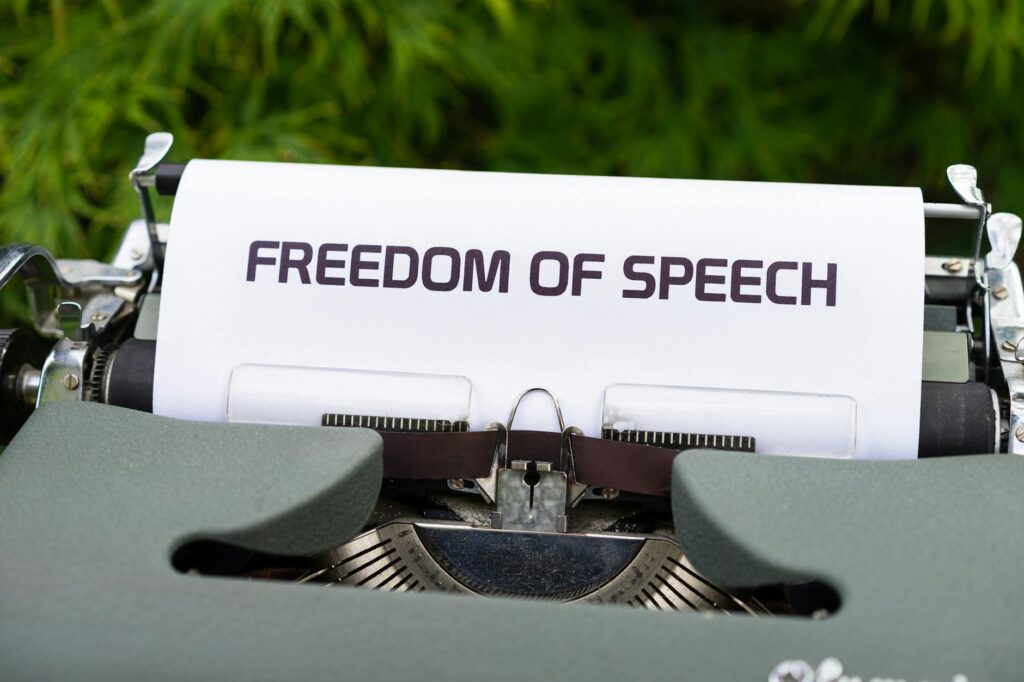
This guide covers everything about Freedom of Speech in Democracies: The 2026 Debate. TL;DR: Freedom of speech is a cornerstone of democracy, enabling accountability, the exchange of ideas, and individual autonomy. However, its application is fiercely debated, especially in the digital age. Key challenges include defining legal limits (incitement, defamation, true threats), managing content on private digital platforms, and balancing free expression with the need to combat hate speech. Different democracies adopt varied approaches, highlighting an ongoing global effort to protect this fundamental right while safeguarding against its potential harms. The ‘2026 Debate’ reflects the continuing evolution of these complex issues.
Last updated: April 27, 2026
The Enduring Contours of Free Speech in Democracies
Freedom of speech stands as a fundamental pillar of any solid democracy, yet its interpretation and application are in constant flux. While the concept itself is ancient, its practical boundaries are continually redrawn by technological advancements, evolving social norms, and geopolitical shifts. The ‘2026 Debate’ isn’t about a single, isolated event in a particular year, but rather serves as a useful framing for the persistent, complex, and vital discussions that societies worldwide engage in regarding this essential liberty. It encompasses legal challenges, ethical dilemmas, and the very definition of a healthy public sphere.
At its heart, freedom of speech is the right to express one’s opinions, ideas, and information without fear of government censorship or retaliation. This right is not absolute in any democracy, and the precise limitations typically concerning incitement to violence, defamation, or threats to national security are the subject of continuous legal and public scrutiny. As the world becomes increasingly interconnected and digital, the traditional frameworks for understanding and protecting free expression are being tested, leading to profound questions about who controls discourse, what constitutes harm, and how to foster an informed, engaged citizenry.
The Philosophical Bedrock: Why Freedom of Speech Matters
To understand the contemporary debates, it’s crucial to revisit the core philosophical justifications for protecting free speech. These principles form the bedrock upon which democratic societies are built.
The Marketplace of Ideas
Perhaps the most influential argument for free speech comes from John Stuart Mill’s On Liberty. Mill championed the concept of a "marketplace of ideas," asserting that the best way to arrive at truth is through a solid, open competition of diverse viewpoints. Even ideas that are unpopular, offensive, or seemingly false contribute to this process, as they force stronger arguments and clearer thinking from all sides. Suppressing speech, Mill argued, risks silencing a potentially true idea, or at least preventing the clearer perception and livelier impression of truth produced by its collision with error. This concept underpins many free speech protections, particularly in the United States.
Self-Governance and Accountability
Another crucial justification centers on the necessity of an informed citizenry for effective self-governance. For a democracy to function, its people must be able to discuss, criticize, and influence public policy and leadership. Freedom of speech, particularly a free press, acts as a vital check on governmental power, exposing corruption, holding officials accountable, and ensuring transparency. Without the ability to openly question and challenge those in power, the democratic process itself is undermined. Alexander Meiklejohn, a prominent American legal scholar, argued that free speech is primarily about the right of the people to hear all sides of an issue, not just the right of a speaker to express themselves, thus emphasizing the collective benefit to democracy.
Individual Autonomy and Dignity
Beyond its societal benefits, freedom of speech is deeply intertwined with individual autonomy and human dignity. The ability to express one’s thoughts, beliefs, and identity is fundamental to personal development and self-realization. To deny someone the right to speak is to deny a part of their humanity, inhibiting their ability to participate fully in society and to shape their own life. This aspect aligns with broader human rights principles, recognizing expression as an inherent right vital for personal flourishing.
Defining the Boundaries: Where Free Speech Ends
While fundamental, freedom of speech is rarely absolute. All democracies recognize legitimate limitations, though the specific definitions and enforcement mechanisms vary significantly. The ongoing debate often centers on where these lines are drawn and how they adapt to new contexts.
Historical Precedents and Evolving Legal Tests
Legal interpretations of speech limits have evolved over time. In the United States, early tests like the "clear and present danger" standard from Schenck v. United States (1919) were later replaced by more stringent criteria. The landmark case of Brandenburg v. Ohio (1969) established the "incitement test," which protects speech unless it’s "directed to inciting or producing imminent lawless action and is likely to incite or produce such action." This high bar emphasizes the need for a direct causal link between speech and immediate, unlawful violence.
Common Categories of Unprotected Speech
Most legal systems recognize categories of speech that receive less, or no, protection:
- Incitement to Violence: Speech intended and likely to provoke immediate unlawful acts.
- Defamation (Libel and Slander): False statements of fact that harm a person’s reputation. The legal standard often differs for public figures versus private individuals.
- True Threats: Statements that a reasonable person would interpret as a serious expression of intent to inflict bodily harm or death upon an individual or group.
- Child Exploitation Material: Content depicting the sexual abuse of minors is universally prohibited.
- Obscenity: While difficult to define, speech deemed obscene typically lacks serious literary, artistic, political, or scientific value and appeals to prurient interest.
- Fighting Words: Personally abusive epithets that, when addressed to an ordinary citizen, are inherently likely to provoke violent reaction.
The challenge for 2026, and beyond, is applying these established doctrines to the complexities of digital communication, where context can be ambiguous and reach is global.
The Digital Arena: New Frontiers for Free Expression
The rise of the internet and social media platforms has fundamentally reshaped the landscape of public discourse, introducing unprecedented opportunities for expression alongside novel challenges to free speech principles.
Social Media Platforms as Public Squares (and Private Entities)
Platforms like Facebook, X (formerly Twitter), and YouTube have become the de facto public squares of the 21st century, hosting billions of conversations daily. However, unlike traditional public spaces, these platforms are owned and operated by private corporations. This distinction is critical: while governments are generally constrained by constitutional free speech protections (like the First Amendment in the U.S.), private companies are not. They set their own "community standards" and terms of service, which dictate what speech is permissible on their platforms.
Content Moderation Challenges
The power of these platforms to moderate content has sparked intense debates. Should they remove "misinformation"? What about offensive but legal speech? Who decides? Different countries have different expectations. Germany’s NetzDG law, for example, requires social media companies to remove "manifestly unlawful" content, including hate speech and defamation, within 24 hours or face hefty fines. In the U.S., Section 230 of the Communications Decency Act largely shields platforms from liability for content posted by users, allowing them broad discretion to moderate content without fear of being sued for what they remove or for what they leave up.
This creates a complex global patchwork where speech legal in one country might be illegal in another, and platform policies often supersede national laws, leading to accusations of censorship, bias, and a lack of transparency. The sheer volume of content makes human moderation impossible, leading to reliance on AI, which can be inconsistent and culturally insensitive.
Disinformation, Misinformation, and Deepfakes
The digital age has also amplified the spread of disinformation (intentionally false information) and misinformation (unintentionally false information). These phenomena can undermine democratic processes, erode trust in institutions, and even incite violence. The advent of sophisticated AI-generated "deepfakes" further blurs the lines between reality and fabrication, posing profound challenges to truth and public discourse. Democracies grapple with how to address these issues without resorting to censorship that stifles legitimate debate or criticism.
Hate Speech: A Global Divide
One of the most contentious areas in the free speech debate is the regulation of hate speech. The global community is deeply divided on how to balance the protection of expression with the need to protect vulnerable groups from discrimination and harm.
Contrasting Approaches: US vs. Europe and Canada
The United States, largely due to its First Amendment jurisprudence, has the broadest protection for hate speech among Western democracies. Most speech categorized as hate speech is legally protected unless it falls into specific, narrowly defined categories like incitement to imminent violence or true threats. The rationale, rooted in the "marketplace of ideas," is that the best way to combat hateful ideas is through counter-speech and open debate, not censorship.
In contrast, many European nations, Canada, Australia, and others have much stricter laws against hate speech. These laws typically prohibit speech that promotes hatred, discrimination, or violence against individuals or groups based on characteristics such as race, religion, ethnicity, gender, or sexual orientation. For example, laws in Germany prohibit the denial of the Holocaust, and many European countries have successfully prosecuted individuals for online hate speech. The philosophical underpinning here often emphasizes the dignitary harm caused by hate speech and its potential to undermine social cohesion and equality, viewing it as a direct threat to democratic values rather than a protected form of expression.
The Harm Principle and its Application
The debate over hate speech often returns to Mill’s "harm principle," which states that the only legitimate reason to restrict an individual’s liberty of action is to prevent harm to others. The core disagreement lies in defining "harm." Is mere offense a harm? What about psychological distress? Or the erosion of societal trust? Those who advocate for stricter hate speech laws argue that hate speech inflicts significant psychological and social harm, contributing to discrimination and even physical violence against targeted groups. They view it as a direct attack on the equality and dignity essential for a functioning democracy.
International organizations also weigh in on this complex issue. International IDEA, an intergovernmental organization supporting sustainable democracy worldwide, has consistently highlighted the growing concern over how hate speech can threaten democratic stability. Their reports often frame certain expressions as "words becoming weapons," underscoring the potential for unchecked hate speech to erode social cohesion and fuel extremism. This perspective emphasizes that while freedom of expression is vital, it can’t be limitless when it actively undermines the very foundations of democratic societies by marginalizing and dehumanizing segments of the population. Source: International IDEA publications on democracy and freedom of expression.
The Role of Education and Media Literacy
Beyond legal frameworks and platform policies, the health of public discourse in democracies significantly depends on the capabilities of its citizens. Education and media literacy are crucial tools in this regard.
Fostering Responsible Discourse
Teaching critical thinking, empathy, and the principles of constructive debate can empower individuals to engage more productively in the marketplace of ideas. This includes understanding logical fallacies, recognizing bias, and practicing the "principle of charity" interpreting an opponent’s argument in its strongest form before responding. Such skills are vital for navigating complex issues and resisting the polarization often fueled by online echo chambers.
Critical Thinking in the Information Age
In an era of information overload and sophisticated manipulation, media literacy becomes paramount. Citizens need to be equipped to evaluate sources, identify disinformation, and understand the algorithms that shape their online experiences. Investing in educational programs that cultivate these skills is a proactive way for democracies to strengthen their resilience against the weaponization of speech, rather than solely relying on reactive censorship.
Navigating the Future: Principles for a solid Public Sphere
As the debate continues to evolve towards and beyond 2026, several principles can guide democracies in their quest to uphold free speech while mitigating its harms:
- Transparency and Accountability for Platforms: Demanding greater transparency from digital platforms regarding their content moderation policies, enforcement, and algorithmic amplification. This includes clear appeals processes for users.
- Promoting Pluralism and Counter-Speech: Encouraging a diversity of voices and actively supporting efforts to counter harmful speech with more speech, rather than relying solely on suppression. This means empowering marginalized voices and fostering inclusive dialogue.
- Strengthening Independent Journalism: A free and independent press remains indispensable for an informed public. Supporting investigative journalism and diverse media outlets helps provide reliable information and holds power accountable, fulfilling a core function of free speech.
- International Cooperation: Given the borderless nature of the internet, international collaboration is essential to address global challenges like disinformation campaigns and cross-border hate speech effectively, while respecting diverse legal traditions.
- Upholding Human Rights Standards: Any restrictions on freedom of expression must adhere to international human rights law, such as Article 19 of the Universal Declaration of Human Rights (UDHR), which states, "Everyone has the right to freedom of opinion and expression; this right includes freedom to hold opinions without interference and to seek, receive and impart information and ideas through any media regardless of frontiers." This framework ensures that limitations are necessary, proportionate, and non-discriminatory. Source: United Nations Universal Declaration of Human Rights.
Conclusion: An Ongoing Imperative
The "Freedom of Speech in Democracies: The 2026 Debate" is not a temporary discussion but a snapshot of an enduring challenge. It highlights the dynamic tension between maximizing individual expression and protecting society from its potential abuses. As technology continues to advance and societal norms shift, democracies will repeatedly confront difficult choices about where to draw the line. The health of our public discourse, the integrity of our democratic institutions, and the fundamental rights of individuals depend on these ongoing conversations. Striking the right balance requires continuous vigilance, thoughtful deliberation, and a commitment to the core values of both liberty and equality.
Frequently Asked Questions (FAQ)
What is the "marketplace of ideas" theory?
The "marketplace of ideas" is a concept, popularized by John Stuart Mill, asserting that truth will emerge from the competition of ideas in free, transparent public discourse. It suggests that suppressing speech, even if believed to be false, is counterproductive because it prevents ideas from being challenged, refined, and ultimately refuted openly, leading to a stronger understanding of truth.
Is hate speech protected under freedom of speech?
This varies significantly by country. In the United States, most speech classified as "hate speech" is legally protected under the First Amendment unless it falls into a specific unprotected category, such as incitement to imminent lawless action or true threats. In many other Western democracies, including Canada and most of Europe, hate speech laws are more expansive and place greater restrictions on speech that promotes hatred, discrimination, or violence against protected groups.
How do digital platforms affect free speech?
Digital platforms serve as the primary arena for modern public discourse, offering unprecedented reach for individual expression. However, as private entities, their content moderation policies and algorithmic amplification can significantly influence the visibility and reach of certain viewpoints. This has led to debates about private censorship, corporate power, the spread of misinformation, and the balance between platform responsibility and user expression.
What are the main challenges to free speech in the digital age?
Key challenges include the spread of disinformation and misinformation, the difficulty of applying traditional legal frameworks to online content (e.g., defining "true threats" online), the immense power of private tech companies in content moderation, and the global nature of online speech which complicates jurisdiction and enforcement of different national laws.
How does International IDEA view the impact of hate speech?
International IDEA views unchecked hate speech as a significant threat to democratic stability and social cohesion. They often describe certain expressions as "words becoming weapons," emphasizing the urgent need for societies to find ways to combat discrimination and prevent the erosion of democratic values without unduly stifling legitimate debate. They advocate for a balanced approach that respects human rights while addressing the harms caused by hate speech.
Source: Britannica
Sources
- United Nations. (1948). Universal Declaration of Human Rights. Article 19.
- International Institute for Democracy and Electoral Assistance (International IDEA). (Various publications). The Global State of Democracy Report and related analyses on freedom of expression, disinformation, and hate speech.
Related Articles
- Flexible Repayment Loans: Master Your Finances in 2026
- G Plus: What It Was, Why It Mattered, and What To Learn in 2026
- Suomen Halvin Laina 2026 – Lyd Edullisin Laina Heti
Editorial Note: This article was researched and written by the Onnilaina editorial team. We fact-check our content and update it regularly. For questions or corrections, contact us.