
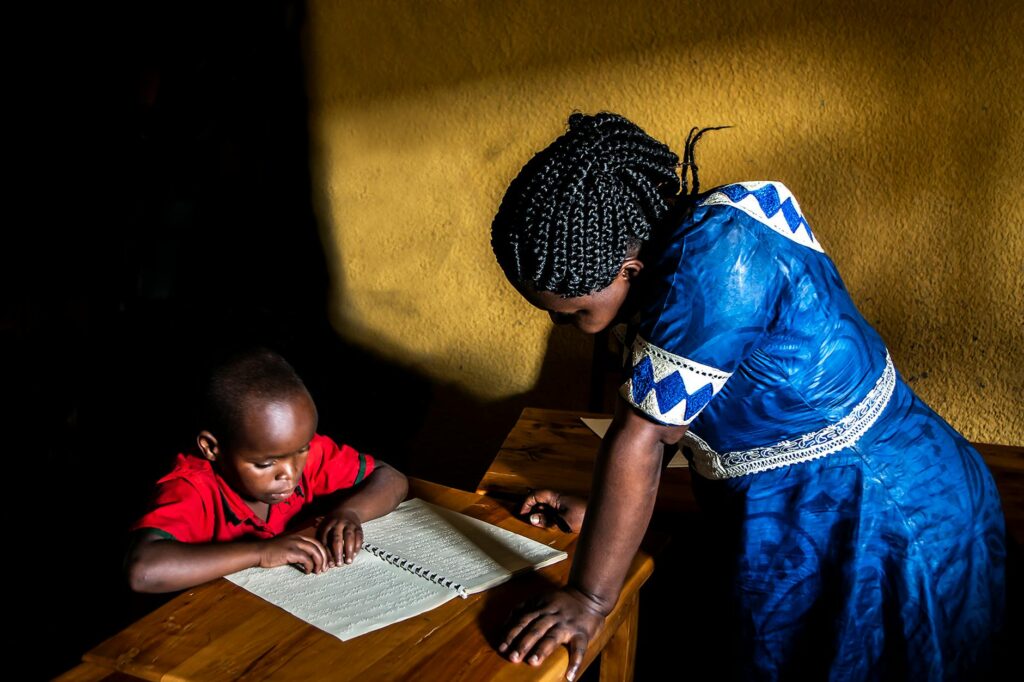
When I first watched a shy student explain her idea to a room full of adults, I saw the real meaning of Building Blocks of Empowerment: Equipping Minds for a Bright Future. Empowerment isn’t a slogan. It’s the practical mix of education, money skills, confidence, and support that helps people make better choices and build a future they can actually control.
Last updated: April 2026
Here, I share a personal story approach to explain how empowerment grows from small, repeatable steps. If you want the short answer, it starts with access to learning, financial literacy, practical skills, and a community that treats people as capable rather than broken.
Featured answer: Building Blocks of Empowerment: Equipping Minds for a Bright Future means giving people the knowledge, money habits, practical skills, and human support they need to make confident decisions and create long-term opportunity. The fastest path isn’t motivation alone. It’s steady access to learning, guidance, and real-world practice.
Table of contents
- what’s empowerment in 2026?
- Why does education matter most?
- How do money skills build resilience?
- What practical skills matter most?
- How do community and mentorship change outcomes?
- How can you start building empowerment today?
- Frequently Asked Questions
what’s empowerment in 2026?
Empowerment in 2026 is the ability to make informed choices with confidence, backed by real access to education, money tools, skills, and support. It isn’t just feeling inspired. It’s having enough knowledge and stability to act on that inspiration.
In plain terms, empowerment is what happens when a person stops asking, ‘Can I?’ and starts saying, ‘I know how.’
Why this definition matters
If empowerment is defined too vaguely, people keep waiting for a miracle. That’s a mistake I don’t recommend. Real empowerment comes from systems and habits that can be repeated, measured, and shared.
According to UNESCO, quality education is a key driver of social mobility and opportunity worldwide. Source: https://www.unesco.org/en/education
Why does education matter most?
Education matters because it teaches people how to think, not just what to memorize. It builds critical thinking, digital literacy, communication, and problem-solving — which are the core tools people need to adapt in a fast-changing job market.
My own turning point came when I saw that confidence often followed competence. Once people understood a topic well enough to explain it, they stood taller. That shift is hard to fake and easy to spot.
What kind of education creates empowerment?
The strongest kind of education mixes classroom learning with real-world application. Project-based learning, financial education, digital skills, and career exposure often matter more than test scores alone.
- Digital literacy for using modern tools
- Critical thinking for judging information
- Communication for teamwork and leadership
- Career exploration for finding a realistic path
How do money skills build resilience?
Money skills build resilience because financial stress can shut down opportunity before talent ever gets noticed. When people understand budgeting, saving, debt, and basic investing, they can plan instead of react.
Here’s one reason financial literacy belongs at the center of Building Blocks of Empowerment: Equipping Minds for a Bright Future. A person who can manage cash flow can make calmer choices about school, work, housing, and entrepreneurship.
What money habits matter most?
Start with the habits that reduce chaos. The goal isn’t perfection. The goal is control.
- Track income and spending for 30 days.
- Build a simple emergency fund, even if it starts tiny.
- Pay high-interest debt first when possible.
- Automate savings so progress happens quietly.
- Learn the difference between wants, needs, and timing.
| Money skill | What it helps with | Why it matters |
|---|---|---|
| Budgeting | Daily spending control | Reduces stress and missed bills |
| Saving | Emergency readiness | Prevents one setback from becoming a crisis |
| Debt management | Long-term stability | Frees income for growth |
| Basic investing | Future planning | Supports wealth building over time |
Federal Reserve data has consistently shown that households without savings are more vulnerable to unexpected expenses. Source: https://www.federalreserve.gov
What practical skills matter most for a bright future?
Practical skills matter because employers and communities need people who can solve real problems. In 2026 — that includes technology, data basics, communication, customer service, skilled trades, and project coordination.
I’ve seen people underestimate trades, then discover that HVAC, electrical work, plumbing, and welding can offer strong career paths. That isn’t hype. It’s labor market reality.
Which skills are most transferable?
The best skills travel well from one job to another. They help people stay useful even when industries change.
- Writing clearly
- Speaking with confidence
- Using spreadsheets and common software
- Solving problems under pressure
- Working well with different personalities
One expert-level insight: people who can combine a human skill with a technical skill usually advance faster. For example, a mechanic who communicates clearly, or a coordinator who understands data, becomes far more valuable.
How do community and mentorship change outcomes?
Community and mentorship change outcomes because empowerment grows faster when people aren’t trying to figure everything out alone. Support reduces fear, shortens the learning curve, and opens doors that may not be visible from the outside.
that’s why local programs, school partnerships, and workplace mentors matter. They create the social proof people need to believe, ‘Someone like me can do this.’
What I’ve seen mentorship do
A good mentor doesn’t hand out vague encouragement. A good mentor helps someone solve one real problem at a time. That can mean reviewing a resume, practicing an interview, or explaining how to ask for a raise.
don’t wait for a perfect mentor. I recommend micro-mentorship instead: short, focused conversations that help with one decision or one skill. They’re easier to get and often more useful.
[INTERNAL_LINK text=”learn more about smart borrowing”]
How can you start building empowerment today?
You can start with one small system, then add another. The point is to create momentum, not pressure. I’ve found that simple routines beat ambitious plans that collapse by Friday.
Five practical steps
- Choose one skill to improve. Pick a skill tied to school, work, or daily life.
- Set one money goal. Start with saving, tracking spending, or reducing one debt.
- Find one trusted guide. Ask a teacher, manager, librarian, or mentor for feedback.
- Practice in public. Join a class, workshop, or community group where you can apply what you learn.
- Review progress monthly. Keep what works and cut what doesn’t.
here’s the part many people skip: remove one bad habit before adding three new ones. I don’t recommend building empowerment on exhaustion and guilt. That never lasts.
Real-world example: Cities like Newark have promoted financial empowerment planning, and organizations such as UNICEF continue to highlight youth development and girls’ education. Here are strong reminders that empowerment works best when public systems and local action move together.
Frequently Asked Questions
what’s the first step to personal empowerment?
The first step is self-awareness. You need to know your strengths, gaps, values, and goals before you can choose the right next move. Once that’s clear, you can pick the skill, habit, or support that gives you the biggest lift.
Is empowerment only about confidence?
No, empowerment isn’t only about confidence. Confidence helps, but it’s usually the result of skill, practice, and support. If someone has confidence without preparation, the result can be frustration. Real empowerment combines mindset with usable tools.
Why is financial literacy part of empowerment?
Financial literacy is part of empowerment because money decisions affect housing, education, stress, and long-term freedom. When people can budget, save, and manage debt, they gain more control over daily choices and future opportunities.
Can mentorship really change a future?
Yes, mentorship can change a future when it’s specific and consistent. A mentor can help someone avoid common mistakes, build confidence, and connect to new opportunities. Even short, focused guidance can make a real difference.
What should I not do when trying to build empowerment?
don’t wait for perfect timing, and don’t rely on motivation alone. Also, don’t copy someone else’s path if it doesn’t fit your life. A better approach is to build small habits that match your reality and can grow over time.
Building Blocks of Empowerment: Equipping Minds for a Bright Future works best when people treat it as a daily practice, not a one-time idea. Start with one skill, one money habit, and one connection, then keep going.
If you’re ready to make that first move, use the next seven days to choose one action and finish it. The future gets brighter when progress becomes ordinary.
Source: Britannica
Editorial Note: This article was researched and written by the Onnilaina editorial team. We fact-check our content and update it regularly. For questions or corrections, contact us.