
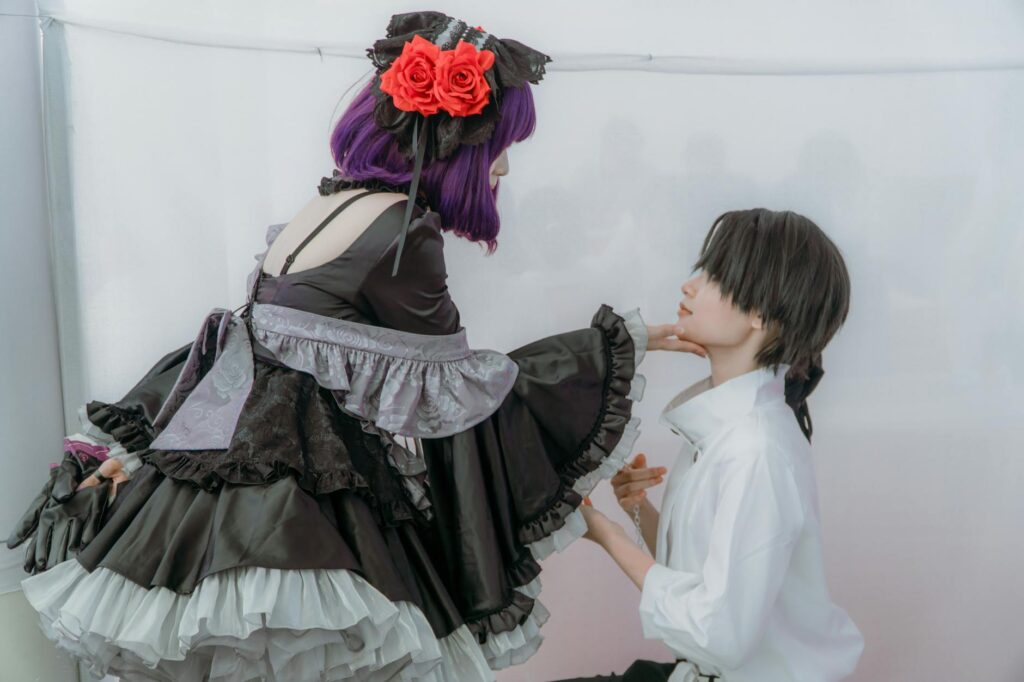
ic CDs, games, and even merchandise, all created by independent artists and circles. The emphasis is on passion, artistic freedom, and a direct connection with an audience that appreciates this specific style and form of expression.
Last updated: May 1, 2026
The appeal lies in the intimacy and passion. Doujin artists often pour their hearts into their work, creating content that explores themes or character interactions that might not be feasible in mainstream, commercially driven productions. For fans, it’s a way to engage more deeply with beloved series or discover unique original characters that resonate with them on an emotional level.
It’s important to understand that ‘moe’ is a subjective feeling. While certain character designs and traits are commonly associated with it, what one person finds ‘moe,’ another might not. This subjectivity is part of what makes the doujin moe scene so diverse.
The Roots of Doujin Culture and the Rise of Moe
The concept of doujinshi dates back to the Meiji era in Japan, initially referring to literary magazines created by groups of like-minded individuals. However, its modern incarnation truly took root in the post-war era, especially with the rise of manga and anime fandom in the latter half of the 20th century. Early fan communities began creating their own content, often inspired by popular series, to share with fellow enthusiasts.
The key moment for doujin culture as we know it today was the establishment of Comiket (Comic Market) in 1975. This event, held twice a year in Tokyo, became the world’s largest gathering for doujinshi creators and fans. As otakumode.com reported in 2017, Comiket surveys have provided insights into foreign visitors’ anime and manga preferences, indicating a sustained global interest. The event continues to be a cornerstone for the industry, building a vibrant ecosystem of independent creators and a dedicated consumer base.
Simultaneously, the concept of “moe” began to emerge and gain traction. While its exact origins are debated, the term gained widespread popularity in the late 1990s and early 2000s. It became associated with characters that evoked feelings of affection and protectiveness, often characterized by large eyes, youthful appearances, and innocent demanors. This aesthetic was especially prevalent in certain genres of anime and manga, and soon, doujin artists began to specialize in creating characters and stories that embodied these moe qualities.
The internet further accelerated the growth and accessibility of both doujin culture and the moe aesthetic. Online forums, image boards, and eventually dedicated doujin marketplaces allowed artists to reach a global audience, transcending geographical limitations. This digital shift democratized creation and distribution, enabling more artists to share their work and for fans worldwide to discover them.
The Artistry of the Moe Style in Doujin Works
The “moe” style in doujin works is characterized by specific artistic choices aimed at evoking affection and endearment. Common elements include large, expressive eyes that convey innocence or emotion, soft facial features, and often a youthful or petite physique. Color palettes tend to be bright and cheerful, though darker themes can also be explored within this aesthetic. Artists often pay meticulous attention to character design, ensuring each element contributes to their overall appeal. The dedication to refining these visual cues is evident in the quality of many doujin art books and illustrations, a testament to the artists’ skill.
Finding Your Doujin Moe Gems: Platforms and Conventions
Discovering doujin moe creations involves engaging with both physical events and online platforms. Comiket remains the premier event, but numerous other conventions across Japan and internationally cater to doujin creators. For online discovery, dedicated marketplaces and fan communities are key. Platforms like Pixiv are invaluable for browsing art and finding creators, often linking directly to their doujin work sales. Specialized online stores also curate doujin titles, making them accessible to a global audience.
Meet the Creators: Doujin Artists and Circles
The heart of doujin moe lies with its creators, known as “circles.” These can range from a single artist to a small team collaborating on a project. Many established manga artists began their careers in the doujin scene, using it as a training ground and a way to build a following. Discovering specific circles often happens through recommendations, event participation, or following artists on social media. Rice Digital has highlighted specific doujin titles like “Doujin Classics: Mofuya Defence” and “Yatagarasu,” showcasing the diversity of games produced within this sphere.
Navigating Doujin Moe Communities and Etiquette
Engaging with doujin moe communities requires a degree of cultural awareness. Respect for artists and their work is really important. Many creators have specific guidelines regarding fan art, sharing, and commercial use of their characters. When attending events like Comiket, flow of crowds and purchasing etiquette is helpful. Online, participating respectfully in discussions and giving credit where it’s due are essential. The focus should always be on appreciating the fan-driven creativity and supporting the artists.
The Evolving world of Doujin Moe
As of April 2026, the doujin moe scene continues to adapt and grow. Digital distribution platforms have become even more sophisticated, offering creators new ways to reach fans directly. Emerging technologies like AI-assisted art tools are also beginning to influence the creation process, sparking discussions about authorship and originality within the doujin community. While traditional events like Comiket remain vital, the online space is increasingly Key for discovery and engagement. The continued interest in anime and manga globally, as evidenced by past reports on foreign visitor preferences, suggests a solid future for doujin works.
Frequently Asked Questions
what’s the difference between doujinshi and manga?
Doujinshi are self-published works, often created by fans or independent artists, while manga typically refers to commercially published works by professional artists distributed through major publishing houses.
Is doujin moe only about manga?
No, doujin moe encompasses a lots of self-published media, including art books, music CDs, video games, and merchandise, all featuring characters designed to evoke a ‘moe’ aesthetic.
How can I support doujin artists?
You can support doujin artists by purchasing their works directly from them at events or online stores, following and promoting them on social media, and respecting their usage guidelines for their creations.
Is ‘moe’ a positive term?
The term ‘moe’ is generally used positively within fandom to describe a specific type of affectionate attraction to fictional characters. While subjective, it’s a widely understood descriptor for a particular character archetype and the feelings it evokes.
what’s Comiket?
Comiket (Comic Market) is the world’s largest doujinshi convention, held twice a year in Tokyo, Japan. It works as a major marketplace and meeting point for doujin creators and fans from around the globe.
Latest Update (April 2026)
The doujin industry continues to show resilience and innovation. Recent analyses of the comics startup scene in 2026, such as those by Failory, indicate ongoing entrepreneurial activity and the emergence of new platforms catering to independent creators. This suggests a dynamic environment where new artists and circles can still find opportunities to publish and distribute their work. And — the global reach of doujin content is consistently reinforced by international fan engagement at events and through online communities, affirming its status as a significant cultural export.
Conclusion
Doujin moe represents a unique and passionate facet of Japanese pop culture, driven by the creativity of independent artists and the devotion of their fans. From its historical roots in self-publishing to the modern digital age, it has consistently provided a space for unique artistic expression and deep fan engagement. Whether you’re drawn to the artistry, the stories, or the characters, world of doujin moe offers a rewarding journey into a vibrant subculture that continues to thrive in 2026.
Source: Britannica
Related Articles
- Catsiepants Guide 2026: Expert Tips & Care for Playful Felines
- Debt Consolidation Services Finland: The Smarter Way to
- Gateway to Success: Knowledge and Growth in 2026 | Data-Driven Guide
Editorial Note: This article was researched and written by the Onnilaina editorial team. We fact-check our content and update it regularly. For questions or corrections, contact us.