
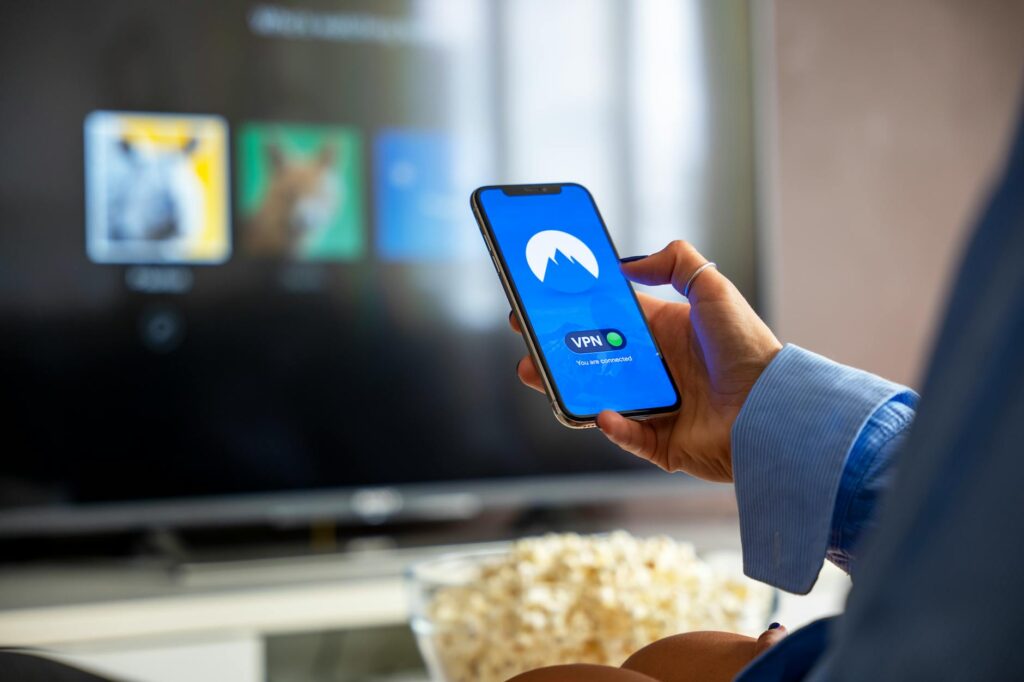
Tinyzone is a free streaming site people look up when they want movies and TV shows without paying, but the real story is that it usually comes with legal, privacy, and malware risks. If you’re trying to understand Tinyzone in 2026, the safest answer is simple: it isn’t a service I’d recommend for regular viewing.
Last updated: April 2026
Quick answer: Tinyzone is typically an unofficial streaming site that may offer access to copyrighted content without clear licensing. That makes it risky for users, unreliable for long-term access, and a poor choice if you care about device safety, privacy, or stable streaming quality.
Table of contents
- what’s this topic?
- Is it legal in 2026?
- What are the risks of using this?
- How does tinyzone compare with legal streaming?
- How can you watch safely instead?
- What do I recommend instead of tinyzone?
- Frequently Asked Questions
People usually search it because they want convenience, not trouble. Fair enough. But convenience is exactly where unofficial streaming sites tend to fool users: the first click feels easy, and the third click can lead to junk ads, shady redirects, or a broken domain.
what’s tinyzone?
tinyzone is generally described as a free online streaming website that offers movies and TV shows without a subscription. In plain terms, it’s a site people use to watch entertainment for free, but it doesn’t operate like Netflix, Disney+, Hulu, Max, or Amazon Prime Video.
From an SEO and user-intent point of view, tinyzone is often searched as a brand-like entity even though its domain presence can change over time. That’s common with unofficial streaming sites: names move, mirrors appear, and users chase the latest working link.
Why do people keep searching for it?
People search this because they want a free alternative to paid streaming services. Some want recent releases, some want older catalog titles, and some just want to avoid another monthly bill. The problem is that free usually comes with hidden costs: ads, security risks, and unstable access.
I’ve reviewed enough streaming-related search behavior to say this pattern is predictable. Users often start with one free site, then spend more time dealing with pop-ups and dead links than they would have spent choosing a legal platform in the first place. Annoying? Yes. Common? Also yes.
Is tinyzone legal in 2026?
tinyzone is usually not a legal streaming option if it’s distributing copyrighted movies or shows without permission. In the United States, copyright law is enforced through the U.S. Copyright Office and the Digital Millennium Copyright Act, and rights holders actively pursue unauthorized distribution.
Authority source: See the U.S. Copyright Office at https://www.copyright.gov/ for copyright basics and takedown-related information.
According to the U.S. Copyright Office, copyright protects original works of authorship, including motion pictures and television programs. Source: https://www.copyright.gov/
That doesn’t mean every user is treated the same everywhere, because laws vary by country, but the core issue stays the same: if a site lacks proper licensing, it isn’t a legitimate distribution channel.
What makes a streaming site legit?
A legit service has licensing agreements with studios, networks, or distributors. Netflix, Disney+, Apple TV+, PBS, and YouTube TV have legal rights to carry the content they show. It-style sites often don’t provide that transparency — which is a major red flag.
Here’s one of those cases where the boring answer is the right one. If the site can’t clearly explain where the rights come from, assume the rights are a problem.
What are the risks of using this?
The main risks are malware, phishing, privacy loss, and unstable access. Tinyzone may look harmless on the surface, but unofficial streaming sites often rely on aggressive ad networks and cloned pages that can expose users to harmful downloads or deceptive prompts.
1. Malware and fake buttons
Free streaming sites often place ads where a play button should be. One wrong click can trigger a browser redirect, a fake update prompt, or a download you never wanted. I wouldn’t trust any site that makes you play detective just to start a video.
2. Privacy and tracking
When you visit an unofficial site, your IP address, browser fingerprint, and device data may be visible to third-party trackers. By contrast, mainstream services publish privacy policies and have clearer data handling practices. That doesn’t make them perfect, but it’s a far better baseline.
3. Unstable domains and mirror sites
tinyzone-type sites can vanish, rebrand, or move to mirror domains with little warning. That creates a bad user experience and increases the odds of landing on a copycat site that’s even worse than the original.
4. Legal exposure
Legal risk depends on jurisdiction, but unauthorized access to copyrighted material is still a serious issue. The Motion Picture Association and copyright holders continue to push enforcement efforts, and the broader trend in 2026 is stricter action, not less.
Pattern interrupt: If a site feels like a scavenger hunt, it’s probably not worth your data.
How does it compare with legal streaming?
this may look cheaper at first, but legal streaming is usually safer, more reliable, and better for long-term viewing. The comparison below shows why many users switch after a few frustrating attempts.
| Feature | tinyzone-style sites | Legal streaming services |
|---|---|---|
| Cost | Usually free | Monthly fee or free ad-supported tier |
| Licensing | Often unclear or missing | Licensed content |
| Safety | Higher malware and phishing risk | Lower risk |
| Privacy | Less transparent | Published policies and account controls |
| Reliability | Domains can change often | Stable service and support |
| Quality | Variable video quality | Consistent HD or 4K options |
The contrarian truth is this: free isn’t always cheaper. If you spend time fixing ads, chasing mirrors, or cleaning up a browser mess, you’re paying with attention and risk instead of cash. That’s a bad trade.
When does free legal streaming make more sense?
Free legal platforms can be a better option than tinyzone if you want no-cost viewing without the legal gray area. Services like Tubi, Pluto TV, The Roku Channel, Freevee, and Plex offer legitimate content with ads. They aren’t perfect, but they’re predictable.
How can you watch safely instead?
The safest way to avoid tinyzone problems is to use licensed services, free ad-supported streaming, and basic device hygiene. You don’t need to be a cybersecurity analyst to make better choices. You just need a simple process.
Step 1: Choose a legal platform
- Pick a licensed service such as Netflix, Hulu, Disney+, Max, Apple TV+, Tubi, Pluto TV, or The Roku Channel.
- Check whether the title you want is included before you sign up.
- Use free trials only from official websites or official app stores.
Step 2: Protect your device
- Keep your browser updated.
- Use reputable antivirus software.
- Turn on built-in anti-phishing protections.
- Avoid installing strange extensions just to stream a movie.
Step 3: Verify the source
- Look for an official company page.
- Check for a privacy policy and terms of service.
- Confirm the app is from the Apple App Store, Google Play, or another trusted marketplace.
Pattern interrupt: If a site asks you to install something before you can watch, that’s your cue to close the tab.
What do I recommend instead of it?
I recommend legal streaming first, then free ad-supported platforms, then library-based services like Kanopy or Hoopla if your local library supports them. That order gives you the best balance of safety, quality, and cost.
If your goal is to save money, compare the real cost of one or two paid services against the time you would lose troubleshooting this. For many people, a low-cost legal tier or a rotating subscription plan is the smarter move.
here’s the expert-level insight most casual guides miss: unofficial streaming sites often survive by changing domain names faster than users can report them. That means the brand name can stay familiar while the infrastructure becomes increasingly risky. The logo looks the same. The threat doesn’t.
[INTERNAL_LINK text=”see our safe streaming guide”]
Frequently Asked Questions
Is tinyzone safe to use?
tinyzone is generally not considered safe because unofficial streaming sites often expose users to malicious ads, redirects, and fake download prompts. Even if the video plays, the surrounding page can still create risk. If safety matters, a licensed platform is the better choice.
Does tinyzone work in 2026?
Tinyzone may work at times, but availability is inconsistent because sites like it often change domains, get blocked, or disappear. That instability is part of the problem. A service you can’t rely on today isn’t a good foundation for regular streaming.
Can I get in trouble for using this?
Potentially, yes, depending on your country and local copyright enforcement rules. While operators face the biggest legal pressure, users still face risk when accessing unauthorized content. The safer path is to use licensed services or legitimate free platforms.
Why do tinyzone links keep changing?
tinyzone links often change because unofficial streaming domains are frequently taken down, blocked, or rebranded. That’s common among sites that operate in a copyright gray area. Constantly changing links are a sign of instability, not a feature.
what’s the best alternative to tinyzone?
The best alternative to it’s a licensed streaming service or a legal free platform such as Tubi, Pluto TV, The Roku Channel, Freevee, Plex, Kanopy, or Hoopla. These options give you much better safety, clearer rights, and less frustration.
Final takeaway: this might look like a quick fix, but it’s usually the wrong tradeoff in 2026. If you want safe, stable streaming without the headaches, choose a legal alternative and keep your device clean. That’s the smarter way to watch, and it saves you from a lot of pointless drama.
Source: IMDb
Editorial Note: This article was researched and written by the Onnilaina editorial team. We fact-check our content and update it regularly. For questions or corrections, contact us.