
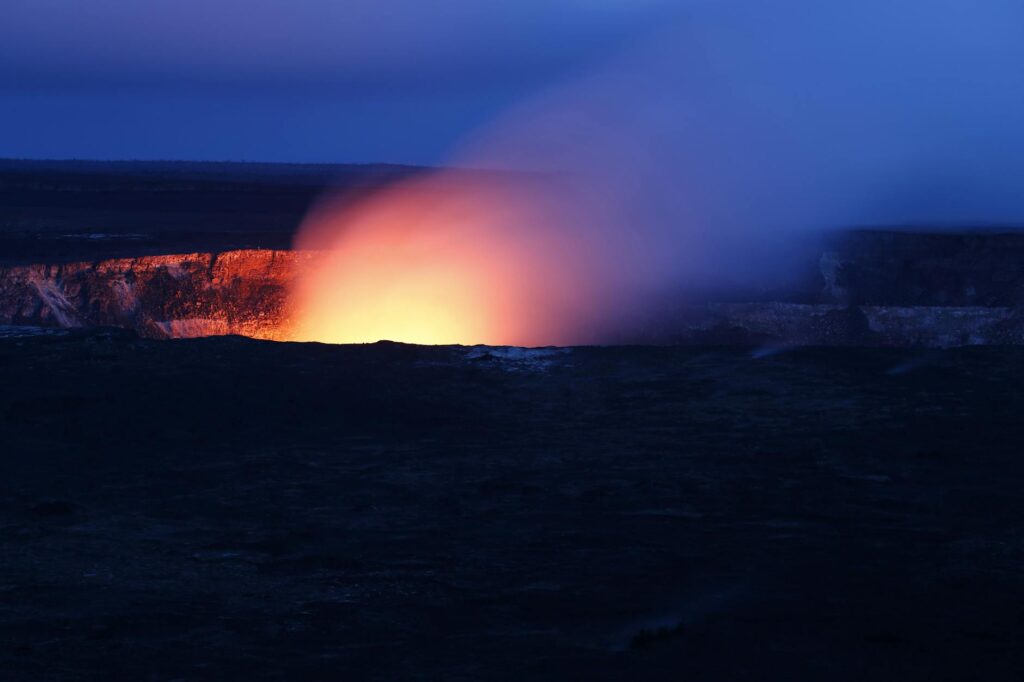
Kilauea Volcano Eruption: A Resurgence of Fire
On April 10, 2026, Hawaii’s iconic Kilauea volcano roared back to life, ending its longest pause in recorded history. This dramatic resurgence, designated as the 44th eruption episode, saw lava burst forth, painting the night sky with a fiery spectacle. The event coincided with the commencement of the Merrie Monarch Festival, a cultural celebration that has, in the past, sometimes been accompanied by volcanic activity. This latest eruption has captured global attention, prompting a closer look at the geological forces at play and the implications for the region.
Last updated: April 27, 2026
The eruption began with lava fountains soaring into the air, a vivid display of Kilauea’s immense power. According to USGS (2026), this 44th episode signaled a significant geological event, especially given the preceding quiet period. The volcano, a shield volcano on the Big Island of Hawaii, is one of the most active volcanoes on Earth, and its eruptions are closely monitored by scientists and eagerly observed by the public.
What Triggered the Latest Kilauea Eruption?
The precise trigger for the Kilauea volcano eruption on April 10, 2026, is rooted in the complex plumbing system beneath the volcano. According to the USGS (2026), the eruption commenced within Halemaʻumaʻu crater at the summit of Kilauea. This indicates a significant influx of magma into the shallow magma chamber — which subsequently found an escape route to the surface. The pause preceding this eruption, noted by Scot Scoop News as the longest yet, suggests a period of magma accumulation and pressure build-up. Scientists at the NASA Science (2026) monitor seismic activity and ground deformation to understand these processes. The extended dormancy allowed for a substantial reservoir of molten rock to form, making the subsequent eruption especially vigorous.
The USGS Volcano Watch report highlights that the eruption began as a fissure event within the crater. The molten rock, or lava, erupted in fountains reaching significant heights, creating a mesmerizing and powerful display. This type of summit eruption, while common for Kilauea, always carries an element of surprise due to the volcano’s dynamic nature. The duration of the pause, reportedly the longest in the volcano’s history, has led some geologists to re-evaluate their models of Kilauea’s eruptive cycles.
The Scale and Nature of the Eruption
Impressive lava fountains and characterized the recent Kilauea volcano eruption the ejection of volcanic debris. Reports from ABC7 Los Angeles confirm that football-sized debris was launched into the air during the early stages of the eruption on Tuesday, March 10, 2026. While the primary eruption event occurred on April 10, initial reports of debris may refer to precursor activity or earlier, less widely publicized events. The intensity of the lava fountains was visually striking, with BBC and The Guardian both reporting on the spectacular displays. These fountains, a common feature of Kilauea’s summit eruptions, can reach hundreds of feet into the air, showcasing the immense pressure within the volcano.
Big Island Video News noted on April 17, 2026 — that “Giant Flames Observed At Kīlauea, Lava Fountains Forecast For Next Week.” This suggests that the eruption wasn’t a singular event but part of a sustained period of activity, with ongoing lava fountain forecasts. The USGS has been diligently tracking the extent of the lava flow and the behavior of the fountains. The eruption episode, numbered 44, is a testament to the volcano’s consistent, albeit sometimes dormant, activity. The ejected material, ranging from fine ash to larger volcanic bombs, poses potential hazards to the immediate vicinity and can influence air quality across larger areas.
Longest Pause Yet: What Does It Mean?
The record-breaking pause preceding the Kilauea volcano eruption on April 10, 2026, has sparked considerable scientific interest. According to Scot Scoop News, this hiatus was the longest observed in the volcano’s history. Such extended periods of quiet can be interpreted in several ways. One possibility is that the magma supply system experienced a temporary disruption or slowdown. Another is that magma was accumulating at greater depths or migrating to different storage areas within the volcano’s complex plumbing. The longer the pause, the more pressure can build in the system, potentially leading to a more forceful eruption when it finally occurs.
The USGS monitors numerous seismic stations and GPS instruments across the Hawaiian Islands to detect subtle changes in the Earth’s crust. These instruments provide real-time data on ground deformation, tremor, and earthquake activity, all of which can indicate magma movement. The data collected during this extended pause will be Key for refining models of Kilauea’s behavior and improving eruption forecasting. The fact that Kilauea could sustain such a long period of inactivity before erupting so vigorously challenges some existing assumptions about its eruptive periodicity.
Kilauea Eruption and Its Cultural Significance
The timing of the Kilauea volcano eruption, coinciding with the start of the Merrie Monarch Festival, is a poignant reminder of the deep connection between the people of Hawaii and their volcanic landscape. The festival, a world-renowned hula competition, celebrates Hawaiian culture and heritage. Historically, volcanic eruptions on the Big Island have sometimes occurred during or around this significant cultural event. According to the USGS (2026) Volcano Watch, this latest eruption began as the festival commenced, adding a layer of both awe and anxiety for attendees and residents.
For the Native Hawaiian community, Kilauea is more than just a geological phenomenon. It’s a sacred place, home to the fire goddess Pele. Eruptions are seen not merely as natural disasters but as expressions of the land’s power and spirit. The cultural significance of Kilauea can’t be overstated. The ability of the volcano to erupt with such intensity, even after a long dormancy, highlights the powerful forces that shape the Hawaiian Islands and the deep spiritual connection the local population holds with the land. The USGS strives to provide timely and accurate information to help communities prepare for and respond to volcanic hazards, balancing scientific data with cultural respect.
Safety and Monitoring: Navigating Volcanic Hazards
The Kilauea volcano eruption, while a natural spectacle, also presents significant hazards. Authorities and scientific bodies like the USGS play a critical role in monitoring the eruption and disseminating safety information. The primary concerns during an eruption include volcanic gases, ashfall, lava flows, and the potential for explosive activity. Volcanic smog, or vog, generated by sulfur dioxide gas, can impact air quality across the island and beyond.
During the April 10, 2026, eruption, the USGS issued warnings and advisories to the public, urging caution. The agency uses a sophisticated network of seismometers, GPS receivers, gas sensors, and webcams to track the eruption’s progress in real-time. This data is Key for predicting the direction and extent of lava flows and assessing the risk to communities and infrastructure. The ejection of football-sized debris, as reported by ABC7 Los Angeles, highlights the immediate dangers posed by explosive phases of the eruption. Residents in affected areas are advised to stay informed through official channels and adhere to evacuation orders if issued.
What the Future Holds for Kilauea
Predicting the exact behavior of Kilauea is a complex scientific challenge. However, based on historical patterns and the current eruptive episode, scientists anticipate continued activity. The USGS (2026) Volcano Watch suggested that lava fountains might continue for some time, and forecasts indicated potential for further lava flows. The 44th eruption episode, while significant, is likely just one chapter in Kilauea’s ongoing story.
The long pause preceding this eruption may indicate a shift in the volcano’s behavior or simply a more pronounced cycle of magma accumulation. Researchers will continue to analyze the data collected from this event to better understand the subsurface processes driving Kilauea’s activity. The resilience of the island and its inhabitants in the face of such powerful natural forces is remarkable. As Kilauea continues to shape the landscape, ongoing vigilance and scientific study are really important for safety and understanding.
Frequently Asked Questions
what’s the current status of the Kilauea volcano eruption?
As of the latest reports around April 21, 2026, the Kilauea volcano eruption, designated as episode 44, has seen lava bursts and fountains within Halemaʻumaʻu crater. While activity levels can fluctuate, scientists continue to monitor the volcano closely for ongoing developments following its longest-ever pause.
When did the latest Kilauea eruption begin?
The most recent significant Kilauea volcano eruption commenced on Friday, April 10, 2026, after a period of unprecedented dormancy. This marked the beginning of the 44th eruption episode observed at the summit caldera.
What kind of debris was ejected during the eruption?
During the Kilauea volcano eruption, officials confirmed the ejection of football-sized debris into the air. This indicates a degree of explosive force accompanying the lava fountaining, posing a direct hazard in the immediate vicinity of the vent.
Is Kilauea considered a dangerous volcano?
Yes, Kilauea is considered one of the most active volcanoes in the world and poses significant hazards. These include lava flows that can destroy property, volcanic gases like sulfur dioxide that create vog, ashfall, and potential explosive events, necessitating continuous monitoring by the USGS.
How long was the longest pause before this eruption?
Before the Kilauea volcano eruption in April 2026, the volcano experienced its longest pause in recorded history. While specific durations can vary, news outlets like Scot Scoop News reported this as the longest interval between eruptions to date.
Conclusion: A Dynamic Force of Nature
The recent Kilauea volcano eruption works as a powerful reminder of Earth’s dynamic geological processes. After its longest-ever pause, the volcano has reasserted its presence with spectacular lava fountains and significant volcanic activity. The interplay between magma accumulation, pressure build-up, and eventual release highlights the complex nature of volcanic systems. For residents and scientists alike, this event reinforces the importance of continuous monitoring and preparedness. The USGS’s role in providing critical data and safety guidance is invaluable. As Kilauea continues its fiery narrative, understanding its cycles and potential impacts remains a key focus for both scientific research and community safety in Hawaii.
Editorial Note: This article was researched and written by the Onnilaina editorial team. We fact-check our content and update it regularly. For questions or corrections, contact us.