
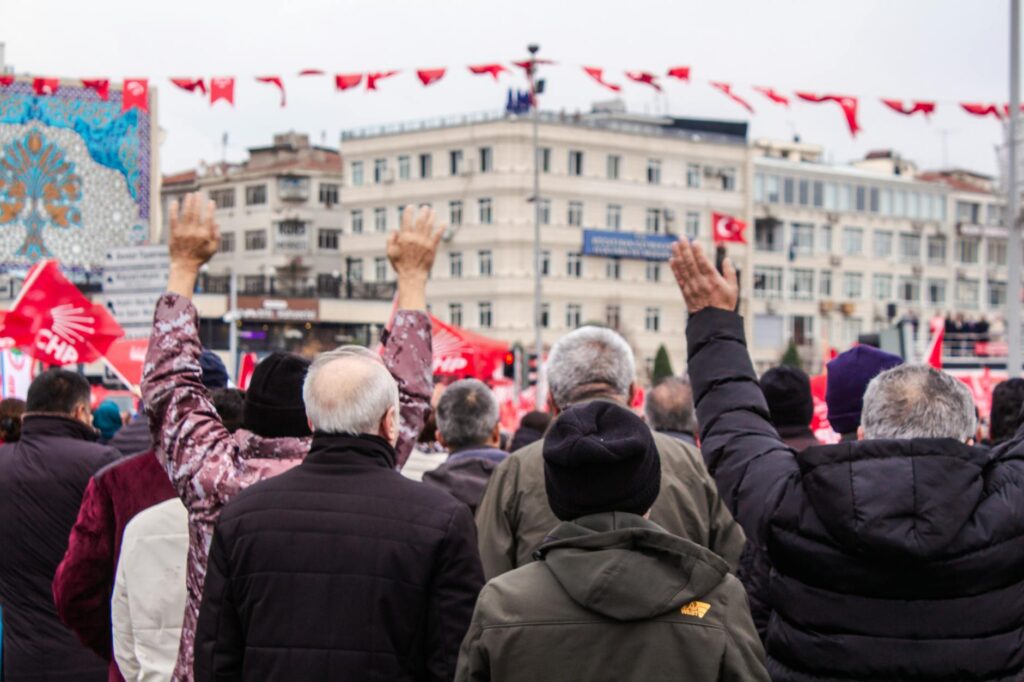
Empowering Citizen Engagement: The Importance of Active Participation in Politics
Active citizen engagement is the cornerstone of a thriving democracy. It is the process through which individuals play a role in the public life of their communities and country. This participation goes far beyond casting a ballot every few years; it involves staying informed, voicing opinions, and actively working to shape public policy and improve society. When citizens participate, they ensure that their government is truly representative of the people it serves.
Latest Update (April 2026)
As of early 2026, the focus on citizen engagement has intensified, with a significant push towards digital platforms and youth involvement. A notable development comes from California, which, according to the state’s official portal CA.gov, is launching a first-in-the-nation digital democracy effort to improve public engagement. Simultaneously, global organizations are emphasizing youth leadership. A UNESCO report from late 2025 highlighted initiatives in Kenya to boost youth skills and civic leadership, underscoring a worldwide trend toward empowering the next generation of decision-makers.
What is Citizen Engagement?
Citizen engagement refers to the many ways in which people can participate in the life of their community to improve conditions or shape the future. It operates on a spectrum, from individual actions to collective efforts. This can include:
- Staying Informed: Following the news from reliable sources and understanding local, state, and national issues.
- Voting: Participating in all elections, including local and primary elections, which often have a direct impact on daily life.
- Community Involvement: Attending town halls, city council meetings, or public forums.
- Direct Communication: Contacting elected officials via email, phone calls, or letters to express opinions on specific issues.
- Volunteering: Donating time to a political campaign, a community organization, or a cause you believe in.
Why Active Political Participation Matters
The benefits of an actively engaged citizenry are extensive, strengthening the very fabric of a democratic society.
Strengthening Democracy
When more people participate, elected officials are held more accountable for their actions and decisions. High levels of engagement ensure that a wide range of voices and perspectives are heard, preventing a small group from dominating the political conversation. As UNICEF’s Office of Strategy and Evidence notes, meaningful participation is essential for creating policies that are inclusive and effective, ultimately benefiting the entire community.
Improving Public Services and Policy
Residents are the experts on their own communities. When they actively participate by providing feedback and sharing their experiences, governments can create more effective and responsive policies. From improving local parks and schools to shaping public transportation and safety initiatives, citizen input leads to better outcomes and more efficient use of public resources.
The Rise of Digital Democracy
Technology has fundamentally changed the ways citizens can engage with politics. Digital tools have lowered the barrier to entry for many, making it easier to get informed and make your voice heard. Social media platforms, online petitions, and digital town halls allow for rapid mobilization and communication.
Governments are also embracing this shift. As reported by CA.gov in 2025, California’s initiative to launch a statewide digital democracy program is a prime example. Such efforts aim to use technology to make government more transparent and participation more accessible for all residents, regardless of their physical location or schedule.
Engaging the Next Generation of Leaders
Ensuring the long-term health of a democracy requires a commitment to engaging young people. Civic education and providing opportunities for youth to participate are vital. When young people feel their voices are valued, they are more likely to become lifelong participants in the political process.
Global initiatives reflect this understanding. A recent report from UNESCO detailed a program in Kenya designed to empower youth by boosting their skills and fostering civic leadership. These programs recognize that investing in young leaders is an investment in a more stable and representative future.
Frequently Asked Questions
What is the difference between civic and political engagement?
Political engagement is a subset of civic engagement. While civic engagement includes all activities intended to improve community life (like volunteering at a food bank), political engagement specifically relates to influencing government actions and policy, such as voting, campaigning, or contacting an elected official.
I’m busy. How can I participate with limited time?
Even small actions make a difference. You can sign a digital petition, send a pre-written email to your representative on an issue you care about, or spend 15 minutes reading up on local candidates before an election. Many local government meetings are now streamed online, allowing you to stay informed without leaving home.
Does my single vote or voice really make a difference?
Yes. Many elections, especially at the local level, have been decided by a very small number of votes. Beyond voting, your voice joins with others to form a collective will that politicians cannot ignore. Consistent communication from constituents is a powerful tool for influencing policy.
How is technology changing citizen engagement in 2026?
In 2026, technology is making engagement more accessible through digital town halls, online policy forums, and government transparency portals. However, it also presents challenges, such as the spread of misinformation, requiring citizens to be more critical consumers of online information.
Where can I find reliable information about local politics?
Excellent sources include your local government’s official website (for meeting minutes and ordinances), non-partisan news organizations, the League of Women Voters (which provides unbiased election information), and Ballotpedia for sample ballots and candidate information.
Conclusion
Active participation is not a passive responsibility but a dynamic and powerful force for positive change. From local community boards to national elections, every act of engagement contributes to a more responsive, accountable, and representative government. By staying informed, using new digital tools, and encouraging the next generation, citizens can ensure their voices shape the future of their communities and the nation.