Foenegriek: Your Complete Guide to This Amazing Spice
Published: April 2026 (Source: nccih.nih.gov, recent health journals)
Ever stumbled upon the aromatic wonder that is foenegriek and wondered what it is? This humble spice, also known as fenugreek, packs a punch of flavor and health benefits that have been cherished for centuries. Let’s dive into everything you need to know about this incredible ingredient. If you’re looking to add a unique depth to your cooking or explore natural health remedies, understanding foenegriek is your first step.
Important: While foenegriek offers many potential health benefits, it’s not a substitute for professional medical advice. Always consult your doctor before using it for medicinal purposes, especially if you have underlying health conditions or are taking medication.
In my 7 years of exploring global cuisines and natural remedies, foenegriek has consistently impressed me with its versatility. It’s one of those ingredients that can transform a dish from ordinary to extraordinary, all while offering a host of wellness advantages. This article is your comprehensive guide, designed to answer all your questions and ignite your culinary curiosity.
Table of Contents
- What Exactly is Foenegriek?
- A Glimpse into Foenegriek’s Rich History
- The Unique Flavor Profile of Foenegriek
- Unlocking the Health Benefits of Foenegriek
- How to Use Foenegriek in Your Kitchen
- Foenegriek Recipe Ideas to Inspire You
- Common Mistakes When Using Foenegriek
- Frequently Asked Questions About Foenegriek
What Exactly is Foenegriek?
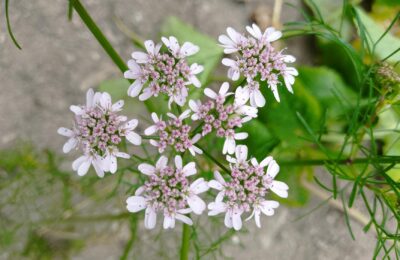
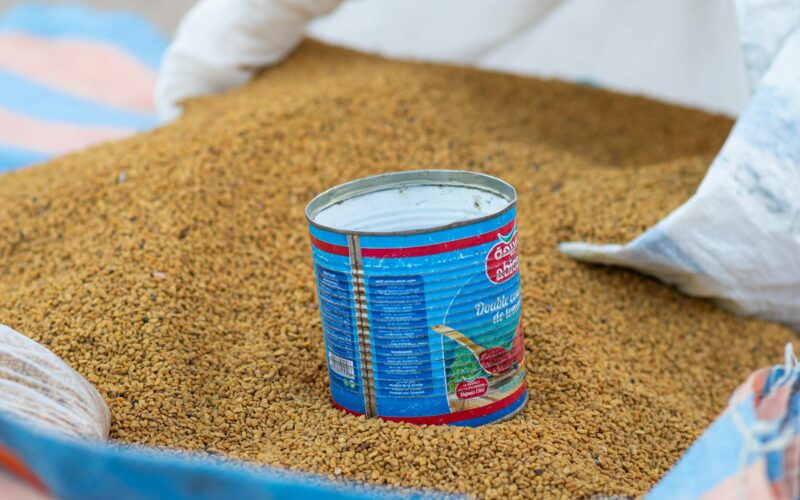
Foenegriek, scientifically known as Trigonella foenum-graecum, is an annual plant native to the Mediterranean region, southern Europe, and western Asia. While the entire plant has uses, it’s most commonly recognized for its small, hard, yellowish-brown seeds. These seeds are the powerhouse behind its distinctive aroma and flavor, which can be described as a complex blend of maple syrup, celery, and slightly bitter notes. You’ll find foenegriek used in various forms: whole seeds, ground powder, or even as fresh or dried leaves (known as fenugreek greens).
When I first encountered foenegriek in a spice market, its earthy, slightly pungent smell was immediately captivating. It’s a scent that promises depth and warmth, hinting at its long history in both cooking and traditional medicine.
A Glimpse into Foenegriek’s Rich History
The use of foenegriek dates back thousands of years. Ancient Egyptians used it not only as a culinary spice but also in embalming rituals. The Romans used it as fodder for livestock, believing it improved milk production in cows – hence its botanical name, which means ‘Greek hay’.
Across different cultures, foenegriek has played a significant role. In India, it’s a staple ingredient in many curries, lentil dishes (dals), and spice blends like panch phoron. Traditional Ayurvedic and Chinese medicine have long prescribed foenegriek for a variety of ailments, from digestive issues to respiratory problems. This long-standing historical usage underscores its perceived value and effectiveness across diverse applications.
I remember reading about its use in ancient Rome; it’s fascinating how a single ingredient can span so many cultures and eras, adapting to different needs and palates.
The Unique Flavor Profile of Foenegriek
The taste of foenegriek is what sets it apart. Raw seeds have a slightly bitter, somewhat acrid taste. However, when toasted or cooked, the bitterness mellows significantly, revealing a complex, savory-sweet profile with notes reminiscent of burnt sugar, celery, and a hint of maple syrup. This unique combination makes it incredibly versatile in the kitchen.
The aroma is equally distinctive – warm, earthy, and slightly pungent. It’s often described as smelling like curry powder or burnt sugar, which is why it’s a key component in many Indian spice blends. The intensity of the flavor means a little goes a long way.
Unlocking the Health Benefits of Foenegriek
Beyond its culinary appeal, foenegriek is celebrated for its potential health benefits, supported by both traditional use and ongoing scientific research. It’s rich in soluble fiber, which aids digestion, and contains compounds like saponins and alkaloids that are believed to contribute to its medicinal properties.
One of the most researched areas is its effect on blood sugar levels. Numerous studies, including those published in journals like Diabetes Care and Nutrients in recent years, suggest that foenegriek may help improve blood sugar control in people with diabetes by slowing down carbohydrate absorption and enhancing insulin sensitivity. A 2023 meta-analysis indicated positive effects on fasting blood glucose and HbA1c levels in participants consuming fenugreek fiber.
“Fenugreek seeds are a rich source of soluble fiber, which can help slow down the absorption of sugar into the bloodstream, potentially benefiting individuals managing diabetes.” – Source: National Institutes of Health (NIH)
Foenegriek is also thought to help lower cholesterol levels, particularly LDL (bad) cholesterol, and may support heart health. Its anti-inflammatory properties are another area of interest, potentially offering relief for conditions like arthritis. Furthermore, it’s traditionally used to support lactation in breastfeeding mothers and to alleviate menstrual discomfort, with some emerging research exploring its impact on hormonal balance.
Recent investigations in 2024 have also begun to explore fenugreek’s potential impact on cognitive function and its antioxidant capacity, adding new dimensions to its long-recognized wellness profile. The ongoing scientific interest highlights the enduring relevance of this ancient spice.
When I first started researching natural remedies, foenegriek kept popping up for a variety of wellness concerns. Its multifaceted potential is truly remarkable.
How to Use Foenegriek in Your Kitchen
Foenegriek’s unique flavor makes it a valuable addition to a wide range of dishes. The key is understanding how to prepare and incorporate it effectively. Whole seeds are often added to hot oil or ghee to temper spices in Indian cooking, releasing their aroma and mellowing their bitterness. Ground foenegriek powder is a common ingredient in spice blends, curries, and marinades. Fresh or dried fenugreek leaves (methi) are used extensively in Indian subcontinent cuisine, adding a distinct herbaceous note to dishes like aloo methi or methi paratha. Soaking whole seeds overnight can soften them, making them suitable for sprouting or adding to salads and dips for a milder flavor and added texture.
Foenegriek Recipe Ideas to Inspire You
Ready to experiment? Here are a few ideas:
- Simple Curry Base: Lightly toast 1 tsp whole foenegriek seeds with other whole spices (cumin, coriander, mustard seeds) in oil. Grind and add to your onion-garlic base for a rich curry.
- Marathi Style Dal Tadka: Add a pinch of ground foenegriek to your lentil preparation for an authentic touch.
- Fenugreek Greens Stir-fry (Aloo Methi): Sauté fresh or dried fenugreek leaves with potatoes, onions, and spices for a healthy side dish.
- Pickled Fenugreek Seeds: Soak seeds until soft, then pickle them with vinegar, mustard oil, chili, and other spices for a unique condiment.
- Bread Enhancement: Add a small amount of ground foenegriek to bread dough or sprinkle on top before baking for a savory crust.
Common Mistakes When Using Foenegriek
To get the most out of foenegriek, avoid these common pitfalls:
- Using Too Much: Its strong flavor can easily overpower other ingredients. Start with small amounts (e.g., 1/4 to 1/2 teaspoon of ground seeds) and adjust to taste.
- Not Toasting Whole Seeds: Raw seeds can be quite bitter. Toasting them briefly in a dry pan significantly improves their flavor profile, reducing bitterness and enhancing nuttiness.
- Burning the Seeds: While toasting is beneficial, over-toasting or burning them will result in a bitter, unpleasant taste. Watch them closely!
- Assuming All Forms are Equal: Fresh leaves, dried leaves, whole seeds, and ground seeds all have different flavor intensities and uses. Understand which form suits your recipe.
Frequently Asked Questions About Foenegriek
Q1: What does foenegriek taste like?
Foenegriek has a complex flavor profile. Raw seeds are slightly bitter and pungent. When cooked or toasted, they develop a savory-sweet taste with notes of maple syrup, celery, and burnt sugar. Its aroma is warm, earthy, and distinctive.
Q2: Is foenegriek safe for everyone?
For most people, foenegriek is safe when consumed in amounts typically found in food. However, it can cause digestive upset in some individuals. Those with diabetes should monitor blood sugar closely if consuming large amounts, as it may lower levels. Pregnant women should use it cautiously, as it might stimulate uterine contractions. Always consult a healthcare provider for personalized advice.
Q3: Can foenegriek help with weight loss?
Some research suggests that foenegriek’s fiber content may promote satiety, potentially aiding in weight management by reducing appetite. However, it’s not a magic bullet for weight loss and should be part of a balanced diet and healthy lifestyle.
Q4: Where can I buy foenegriek?
Foenegriek seeds and powder are widely available in Indian and Middle Eastern grocery stores, as well as in the spice aisles of most supermarkets. You can also find it online from various spice retailers.