
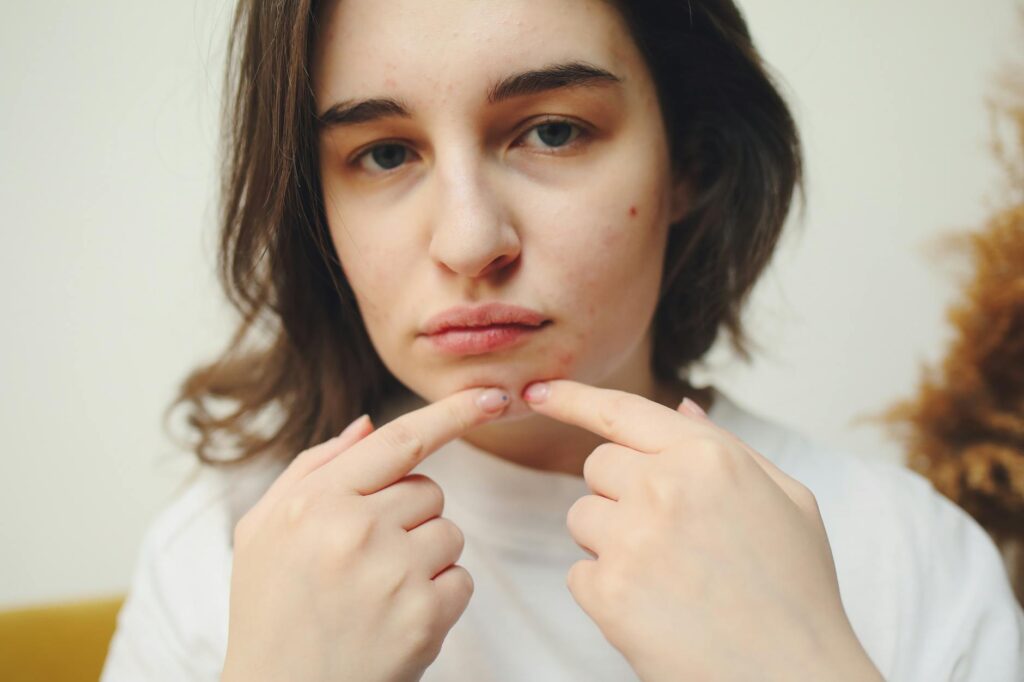
The Unseen Allure of Pimple Popping Videos
It’s a phenomenon that has taken the internet by storm, drawing in millions of viewers with an almost hypnotic pull. We’re talking about pimple popping videos. From delicate blackhead extractions to dramatic cyst lances, these clips offer a front-row seat to a very intimate, often messy, process. But why are we so fascinated by watching someone else’s skin issues being resolved? It’s a question that digs into psychology, biology, and the sheer, undeniable satisfaction of a job well done—even if it’s not our job, and the job involves pus.
Last updated: April 27, 2026
The appeal is complex. For many, there’s an element of catharsis. Watching a blocked pore being cleared can feel incredibly relieving, almost as if you’re experiencing the release yourself. It taps into our innate desire for order and cleanliness. According to the American Academy of Dermatology (AAD) (2023), improper squeezing can lead to infection, scarring, and further inflammation, highlighting the risks involved in DIY extractions.
Some find it educational, learning about different types of acne and the methods used for treatment. Others are simply drawn to the visual spectacle, the gross-out factor, and the surprisingly artistic presentation some creators bring to the process. Think of Dr. Pimple Popper (Dr. Sandra Lee) – her videos aren’t just about popping. They often involve detailed explanations and a professional, almost surgical, approach that educates as much as it satisfies.
Why Do We Find Pimple Popping So Satisfying?
The satisfaction derived from pimple popping videos is deeply rooted in human psychology. There’s a primal urge to resolve imperfections and a sense of order restored. When we see a zit, our brains register it as a problem. Watching it get fixed, especially with a dramatic eruption, provides a sense of completion and relief that can be quite compelling. It’s a visual representation of a problem being solved, a blockage cleared, and a return to normalcy.
This phenomenon has been studied, with some researchers suggesting it taps into our evolutionary predisposition to groom and clean. As reported by the BBC News (2018), psychologists note that the anticipation, the build-up, and the eventual release in these videos trigger a dopamine response in the viewer, similar to how ASMR (Autonomous Sensory Meridian Response) content works for some people. The clear, defined end to the ‘problem’ offers a sense of closure.
Also, it’s a relatively low-stakes way to experience something potentially intense. We can witness a messy, sometimes gruesome, event from the comfort and safety of our own homes, without any personal risk or discomfort. This voyeuristic element, combined with the satisfying resolution, makes these videos incredibly addictive for many.
The Rise of the Professional Pimple Poppers
The online world of pimple popping content has evolved significantly. What might have started as casual, albeit questionable, home videos has now blossomed into a professionalized genre. Dermatologists and estheticians have embraced platforms like YouTube and Instagram to share their expertise, transforming potentially harmful practices into educational content.
Dr. Sandra Lee, famously known as Dr. Pimple Popper, is perhaps the most prominent figure in this space. Her channel boasts millions of subscribers, and her TLC television show brought professional dermatological procedures to a mainstream audience. She often emphasizes the importance of proper technique and explains the underlying conditions causing the skin issues, turning a potentially gross spectacle into a valuable learning experience. According to her website, Dr. Lee has performed over 10,000 procedures, demonstrating extensive hands-on experience. The American Academy of Dermatology also provides resources on acne and safe treatment options, reinforcing the need for professional guidance.
Beyond Dr. Lee, numerous other dermatologists and skincare professionals share videos of blackhead extractions, cyst removals, and other dermatological procedures. These professionals use specialized tools like comedone extractors and sterile techniques, ensuring patient safety while providing the visual satisfaction viewers crave. They often differentiate themselves by focusing on education and promoting healthy skin practices.
What NOT to Do: The Dangers of DIY Popping
While watching pimple popping videos can be strangely therapeutic, attempting to replicate these actions on yourself, especially without proper knowledge and sterile equipment, is a recipe for disaster. The satisfaction you might feel from popping a pimple yourself can be short-lived, often replaced by redness, swelling, infection, and even permanent scarring.
When you squeeze a pimple, you’re basically creating an open wound. If your hands or tools aren’t clean, you can introduce bacteria deep into your skin, leading to a more severe infection. Plus, the pressure applied can push the inflammation and bacteria further down into the skin, causing a larger, more painful lesion. According to the NHS (2022), squeezing spots can cause scarring and spread infection.
Attempting to pop larger cysts or deeper lesions is even more dangerous. These often require professional intervention and can lead to significant tissue damage and long-term scarring if mishandled. It’s Key to remember that the professionals in these videos have years of training and use sterile environments and instruments. What looks easy on screen is a complex medical procedure.
Safe Skincare: Alternatives to Popping
If you’re struggling with acne or persistent blemishes, the best approach is always to consult a healthcare professional. Dermatologists can diagnose the type of acne you have and recommend the most effective treatments — which may include topical medications, oral antibiotics, or even procedures like chemical peels or laser therapy.
For mild breakouts, a consistent and gentle skincare routine can make a huge difference. This typically involves cleansing your face twice a day with a mild cleanser, using a non-comedogenic moisturizer, and applying targeted treatments for blemishes. Ingredients like salicylic acid and benzoyl peroxide are common over-the-counter options that can help unclog pores and reduce inflammation. The American Academy of Dermatology also emphasizes the importance of not picking or popping blemishes, as this can worsen acne and lead to scarring.
If you have a stubborn blackhead or whitehead that you’re tempted to pop, consider using a sterile comedone extractor tool. These tools are designed to apply gentle pressure around the pore to help release the contents without damaging the surrounding skin. However, even with these tools, it’s best to proceed with caution and stop if you experience pain or significant redness. If you’re unsure, it’s always better to leave it to the professionals.
The Psychology of Watching: Is It Healthy?
The question remains: is it healthy to be so captivated by pimple popping videos? For most viewers, the occasional viewing is likely harmless. It can be a form of stress relief or a way to engage with a quirky internet trend. The key is moderation and awareness.
However, if you find yourself spending hours watching these videos, or if the urge to pop your own pimples becomes obsessive, it might be a sign of a deeper issue. Body-focused repetitive behaviors (BFRBs), such as skin picking disorder (dermatillomania), are real conditions that can cause significant distress and physical damage. If you suspect you might be struggling with such a condition, seeking professional help from a therapist or dermatologist is essential. Organizations like The TLC Foundation for BFRBs offer resources and support for individuals affected by these disorders.
It’s also worth considering the ethical implications. While many dermatologists share their work for educational purposes, some amateur videos might exploit individuals or lack consent. Being mindful of the source and the intent behind the content you consume is important.
Frequently Asked Questions
Why are pimple popping videos so popular?
Pimple popping videos are popular due to a combination of psychological factors, including catharsis, the satisfaction of seeing a problem resolved, and a mild form of voyeurism. The clear resolution of a blockage provides a sense of relief and order that many viewers find compelling and strangely calming.
Is it safe to pop my own pimples?
No, it’s generally not safe to pop your own pimples, especially without proper sterile equipment and knowledge. Attempting to do so can lead to infection, increased inflammation, scarring, and prolonged healing times. It’s always best to consult a dermatologist for safe removal.
What are the risks of popping pimples?
The primary risks of popping pimples include introducing bacteria leading to infection, pushing inflammation deeper into the skin, causing permanent scarring, and making the blemish take longer to heal. Severe infections can even lead to more serious complications.
What professional tools are used for pimple extraction?
Professionals use sterile tools such as lancets, specialized comedone extractors, and sometimes even small surgical instruments. These tools are designed for precise use in a sterile environment to minimize damage and risk of infection.
When should I see a dermatologist for acne?
You should see a dermatologist if your acne is severe, persistent, causing scarring, or affecting your self-esteem. They can provide a proper diagnosis and prescribe effective treatments beyond over-the-counter options, ensuring safer and more efficient management of your skin condition.
The Verdict on Viral Extractions
Pimple popping videos offer a unique blend of fascination and satisfaction, and for many, they serve as a peculiar form of entertainment or even education. The rise of professional dermatologists sharing their work online has added an informative layer to this trend. However, the allure of these videos should never translate into risky DIY attempts. Protecting your skin health means difference between watching a satisfying extraction and performing one yourself. When in doubt, always err on the side of caution and seek professional dermatological advice. Your skin will thank you for it.
Editorial Note: This article was researched and written by the Onnilaina editorial team. We fact-check our content and update it regularly. For questions or corrections, contact us.