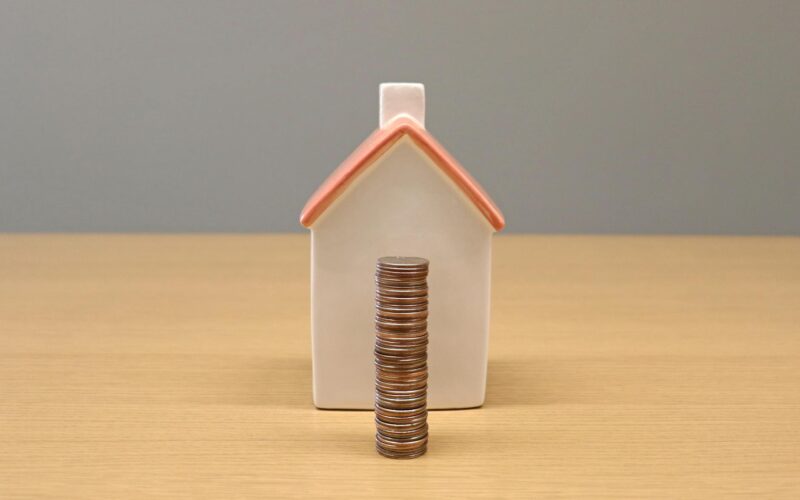
Save for a Down Payment: Your Guide
Published: April 4, 2026 (Source: hud.gov, consumerfinance.gov)
Last updated: April 4, 2026
So, you’re dreaming of homeownership. That little slice of the world that’s all yours. But then reality hits: that hefty down payment. It can feel like an insurmountable mountain. I remember feeling that way myself when I first started looking at houses. The numbers seemed astronomical! But I’m here to tell you, with the right strategy and a bit of discipline, saving for a down payment on a house is absolutely achievable. This isn’t about magic beans; it’s about smart planning and consistent action. Let’s break down how you can make that dream a reality.
Table of Contents
- What Exactly IS a Down Payment?
- How Much Down Payment Do You Actually Need?
- The Ultimate Strategy: How to Save for a Down Payment on a House
- Smart Saving Tactics You Can Implement Today
- Automating Your Down Payment Savings
- Beyond the Down Payment: Other Home Buying Costs
- When Should You Start Saving?
- Common Mistakes to Avoid When Saving
- Your Path to Homeownership Starts Now
What Exactly IS a Down Payment?
Simply put, a down payment is the initial lump sum of money you pay upfront when you buy a house. It’s a percentage of the total purchase price that you pay with your own funds, rather than borrowing it all through a mortgage. The remaining balance is what your mortgage lender finances.
Think of it like this: if a house costs $300,000 and you put down 10%, your down payment is $30,000. You would then need a mortgage for the remaining $270,000 (plus closing costs, of course).
How Much Down Payment Do You Actually Need?
This is the million-dollar question, and the answer varies. Historically, 20% was the standard expectation. Putting down 20% means you avoid paying Private Mortgage Insurance (PMI), which is an extra monthly cost designed to protect the lender if you default. However, 20% is a significant amount, and many buyers, especially first-time homebuyers, opt for less.
Many loan programs allow for down payments as low as 3% or even 0% for eligible borrowers (like VA loans for veterans). For example, FHA loans often require as little as 3.5% down. Conventional loans can go as low as 3% for qualified buyers. As of early 2026, some state and local housing finance agencies also offer down payment assistance programs that can cover a portion or all of the required down payment, making homeownership more accessible.
So, how much do *you* need? It depends on the type of loan you qualify for, your financial situation, and your long-term goals. It’s wise to research different loan types and talk to a mortgage broker early in your process. Websites like Consumer Financial Protection Bureau (CFPB) offer excellent resources for understanding loan options.
The Ultimate Strategy: How to Save for a Down Payment on a House
Saving for a down payment isn’t just about cutting back; it’s about creating a dedicated plan. Here’s the core strategy:
- Determine Your Target: First, figure out your ideal home price range and research typical down payment percentages for your area and desired loan type. This gives you a concrete savings goal. For instance, if you’re aiming for a $400,000 home and want 10% down, your goal is $40,000.
- Calculate Your Timeline: How quickly do you want to buy? Divide your target down payment by the number of months you have until your desired purchase date. This will tell you how much you need to save each month.
- Create a Dedicated Savings Account: Open a separate savings account specifically for your down payment. This keeps your home fund separate from your everyday spending money, making it less tempting to dip into. Look for high-yield savings accounts (HYSAs) to earn a bit more interest. In 2026, HYSAs are offering competitive rates, so shop around for the best APY.
This structured approach turns a vague wish into an actionable financial project. It’s about making your goal tangible.
Smart Saving Tactics You Can Implement Today
Once you have your strategy, it’s time for the tactical execution. This involves both increasing income and decreasing expenses.
Increase Your Income
Could you take on a side hustle? Freelancing, driving for a ride-sharing service, or selling crafts online can significantly boost your savings. Even a small increase in income, consistently applied to your down payment fund, makes a big difference over time. I took on a few freelance writing gigs on evenings and weekends, and that extra income went straight into my savings account.
Slash Your Expenses
This is where the real work often happens. Go through your budget with a fine-tooth comb. Identify non-essential spending. Dining out frequently? Cancel that subscription box you rarely use? Pack your lunch instead of buying it? These small changes add up. For example, cutting $100 a month on entertainment and $50 on impulse buys frees up $1,800 over a year – that’s a nice chunk towards your goal.
Sell Unused Items
Declutter your home and sell items you no longer need. Old electronics, furniture, clothing – platforms like eBay, Facebook Marketplace, or Poshmark can turn your unwanted items into cash for your down payment. It’s a win-win: less clutter and more money!
Consider a Side Hustle or Gig Work
The gig economy offers flexibility. Driving for Uber, delivering food, walking dogs, or offering services like tutoring or graphic design can provide a steady stream of extra income. Dedicate this extra earning directly to your down payment fund.
Automating Your Down Payment Savings
The most effective way to save consistently is to automate the process. Treat your down payment savings like any other recurring bill.
Set up an automatic transfer from your checking account to your dedicated high-yield savings account immediately after you get paid. If your paycheck is $2,000 and you need to save $500 per month, set up a transfer of $250 every two weeks. This ensures the money is saved before you even have a chance to spend it. Many banks allow you to schedule these transfers weeks or months in advance.
Beyond the Down Payment: Other Home Buying Costs
It’s vital to remember that the down payment is only one piece of the home-buying puzzle. You’ll also need to budget for closing costs, which can typically range from 2% to 5% of the loan amount. These include fees for appraisal, title insurance, origination fees, and more. Additionally, factor in moving expenses, initial home repairs or furnishings, and an emergency fund for unexpected issues that arise shortly after moving in. A good rule of thumb is to have at least 3-6 months of living expenses saved in addition to your down payment and closing costs.
When Should You Start Saving?
The sooner, the better! Ideally, you should start saving as soon as you begin seriously considering homeownership. Even if your timeline is several years away, starting early allows your savings to grow through compound interest and makes the monthly savings goal more manageable. If you’re just starting to think about buying, use the next few months to build a budget, track your spending, and determine your savings capacity. For those with a shorter timeline, aggressive saving tactics and exploring down payment assistance programs become even more important.
Common Mistakes to Avoid When Saving
- Not setting a clear goal: Without a target number and timeline, saving can feel directionless.
- Temptation spending: Not keeping your down payment fund separate makes it easy to dip into for non-essential purchases.
- Ignoring other costs: Focusing only on the down payment and forgetting closing costs, moving expenses, and reserves can lead to financial strain.
- Not researching loan options: Missing out on programs with lower down payment requirements or down payment assistance can prolong your home search.
- Impulse purchases: Making large, unplanned purchases can derail your savings progress significantly.
Your Path to Homeownership Starts Now
Saving for a down payment requires commitment and a solid plan, but it is absolutely within your reach. By understanding your financial goals, implementing smart saving tactics, automating your contributions, and staying disciplined, you can turn your dream of homeownership into a reality. Start today, and take the first step towards owning your own home.