
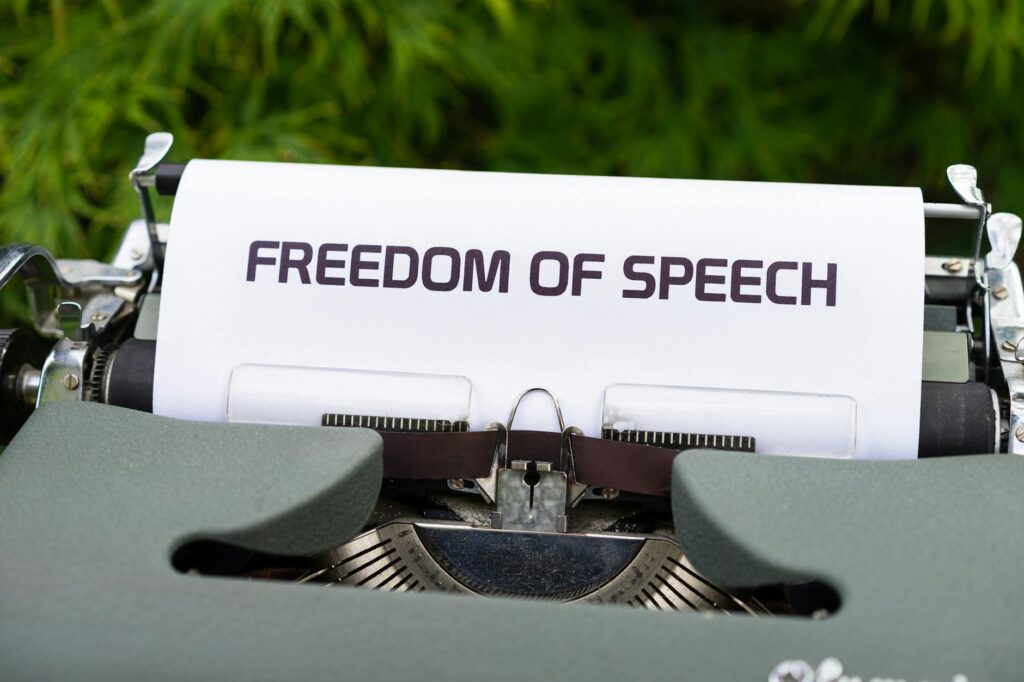
The Role of Freedom of Speech in Democratic Societies
Freedom of speech is a foundational principle of any functioning democratic society. It is the right to express opinions, ideas, and information without fear of government censorship or retaliation. This fundamental liberty enables public discourse, holds power accountable, and fosters intellectual and social progress. However, its application is rarely simple. In 2026, the debate continues to evolve, balancing this essential right against the need to protect individuals and groups from harm.
Latest Update (April 2026)
The conversation around freedom of speech has intensified over the past year. Legal and academic circles are actively debating its limits, particularly in the digital age. As the Supreme Court Observer noted during its 2025 review, recent court cases have been rigorously testing the established boundaries of protected speech, with implications that will unfold throughout 2026. Concurrently, organizations like International IDEA have highlighted the growing concern over how hate speech can threaten democratic stability, framing certain expressions as “words becoming weapons.” This tension between protecting expression and preventing harm remains the central challenge for democracies worldwide.
The Cornerstone of a Healthy Democracy
Democratic governance relies on an informed citizenry capable of making decisions about leadership and policy. Freedom of speech is the mechanism that makes this possible. It serves several key functions:
- Ensuring Government Accountability: A free press and vocal citizenry can investigate, report on, and criticize government actions, exposing corruption and preventing the overreach of power.
- Facilitating the Marketplace of Ideas: This concept suggests that the best way to find truth is through a robust competition of ideas. Even unpopular or incorrect ideas contribute by forcing stronger arguments and clearer thinking from all sides.
- Promoting Individual Autonomy: The ability to express oneself is central to personal development and dignity. As emphasized in discussions at institutions like the Harvard Kennedy School, it is not just a political tool but a fundamental human and civil right.
Testing the Boundaries: The 2026 Legal Landscape
While freedom of speech is a core principle, it is not absolute. Most democracies recognize limitations, typically for expressions that incite violence, constitute defamation, or endanger national security. The legal interpretation of these limits is constantly being refined.
According to the Supreme Court Observer’s analysis of the 2025 term, courts are increasingly grappling with how long-standing legal doctrines apply to online communication. Issues like content moderation on social media, the spread of disinformation, and the definition of “true threats” in a digital context are forcing a re-evaluation of legal precedents. These ongoing legal battles demonstrate that the definition and protection of free speech are not static but are actively being shaped by new technologies and social challenges.
The Global Challenge: Hate Speech vs. Free Expression
The rise of extremist rhetoric has placed the conflict between free expression and the fight against discrimination at the forefront of international debate. Many European nations, for example, have stricter laws against hate speech than the United States. A recent discourse from Universiteit Leiden highlighted this very tension: how a society can uphold the freedom of expression while simultaneously combating discrimination effectively.
Reports from organizations like International IDEA warn that unchecked hate speech can erode social cohesion and threaten the very fabric of democracy. This has led to a global conversation about where to draw the line. The central question remains: How can societies protect vulnerable groups from verbal harm without creating a chilling effect that stifles legitimate, albeit controversial, debate?
The Role of Digital Platforms
In the 21st century, a significant portion of public discourse occurs on platforms owned by private technology companies. This introduces a new layer of complexity. These companies act as de facto arbiters of speech, creating and enforcing their own community standards. Their decisions on content moderation—what to remove, what to flag, and what to promote—have a profound impact on what billions of people see and say. This centralization of control has sparked intense debates over censorship, corporate power, and the responsibility of platforms to curate a healthy information ecosystem without infringing on users’ rights to expression.
Frequently Asked Questions
What is the “marketplace of ideas” theory?
The “marketplace of ideas” is a concept asserting that truth will emerge from the competition of ideas in free, transparent public discourse. It suggests that suppressing speech, even if it’s believed to be false, is counterproductive because it prevents ideas from being challenged and refuted openly.
Is hate speech protected under freedom of speech?
This varies significantly by country. In the United States, most speech classified as “hate speech” is legally protected under the First Amendment unless it falls into a specific unprotected category, such as incitement to imminent lawless action or true threats. In many other Western democracies, including Canada and most of Europe, hate speech laws are more expansive and place greater restrictions on speech that targets protected groups.
How do digital platforms affect free speech?
Digital platforms serve as the primary arena for modern public discourse. However, as private entities, they are not bound by the same constitutional constraints as governments. They can set their own rules for content, leading to debates about private censorship, algorithmic bias, and whether these platforms should be regulated more like public utilities.
What is a key difference between US and European approaches to free speech?
The primary difference lies in the balancing of rights. The U.S. approach, rooted in the First Amendment, is highly protective of speech and is reluctant to restrict it unless there is a direct and imminent threat of harm. The European approach often places a greater emphasis on balancing free expression with other rights, such as the right to dignity and protection from discrimination, leading to broader laws against hate speech.
Why is free speech still being debated so intensely in 2026?
The debate is intense because technology and society are evolving rapidly. The rise of the internet, social media, and AI-generated content has created new and complex challenges that existing legal frameworks were not designed to handle. Issues like global disinformation campaigns, online harassment, and the power of tech platforms keep the conversation urgent and necessary.
Final Thoughts
Freedom of speech remains an indispensable pillar of democracy, essential for accountability, progress, and individual liberty. Yet, the challenges of applying this principle in a polarized and digitally interconnected world are more complex than ever. Navigating the delicate balance between protecting expression and preventing harm requires ongoing dialogue, thoughtful legal interpretation, and a societal commitment to fostering a culture of open yet responsible discourse. The health of our democratic societies depends on getting it right.