
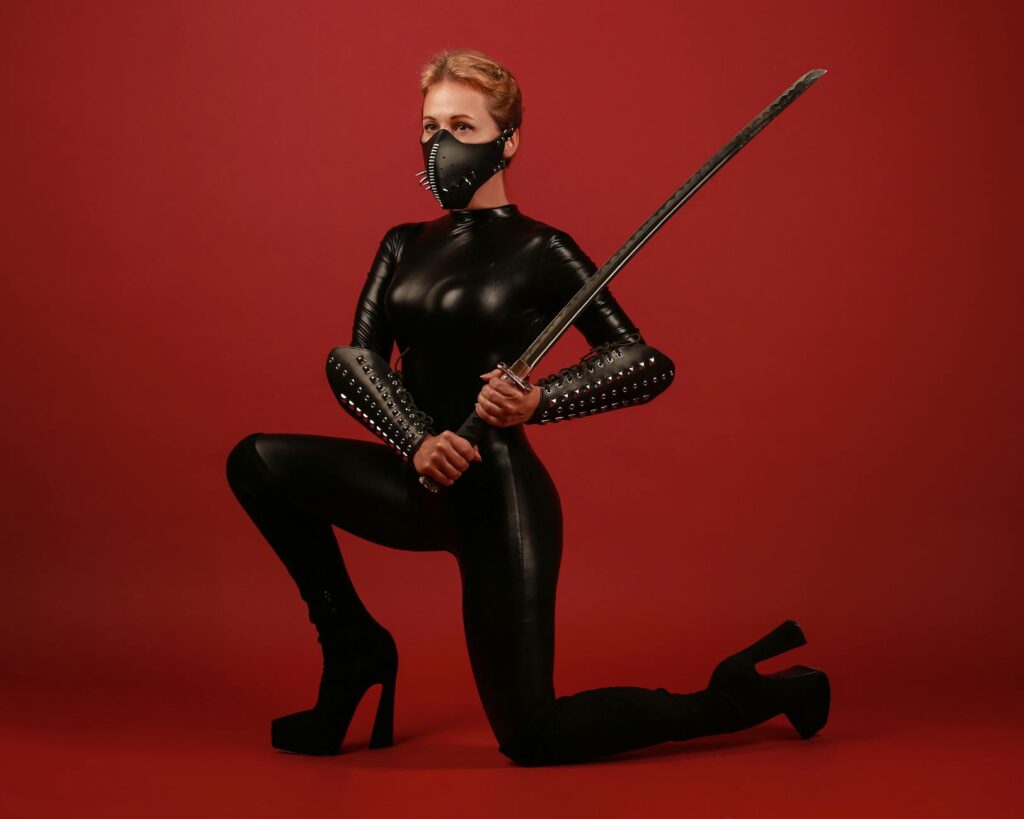
Are latex gimp suits comfortable? Yes, they can be – but only when the fit, thickness, lubrication, and heat management are right. In my experience, latex feels less like everyday clothing and more like a fitted second skin: exciting, glossy, and wearable for some people, but unforgiving if sizing or prep is off.
Last updated: April 2026
Table of contents:
- Are latex gimp suits comfortable?
- Does fit matter more than material?
- How do you make latex more comfortable?
- How does latex compare with PVC and leather?
- What ruins latex comfort fastest?
- How long can you wear one safely?
- Frequently Asked Questions
Featured answer: Latex gimp suits can be comfortable for short to moderate wear if they fit closely without pinching, are dressed with the right lubricant, and are worn in cool conditions. They’re usually warmer and less breathable than leather or PVC, so comfort depends more on preparation than on the fabric itself.
For readers comparing styles, the comfort story is simple: latex wins on skin-tight feel and visual impact, but it loses on airflow and temperature control. That tradeoff is why some people love it for brief sessions, while others prefer leather or PVC for longer wear.
According to the U.S. Centers for Disease Control and Prevention, heat-related illness can escalate quickly when the body can’t cool itself. That matters here because latex traps heat and sweat more than breathable fabrics. Source: https://www.cdc.gov/heat-health/index.html
Are latex gimp suits comfortable?
Yes, latex gimp suits can be comfortable, but only in a specific way. They’re comfortable when they fit like a second skin, stay smooth against the body, and are worn with enough care to avoid friction, overheating, and pulling at the seams.
Comfort in latex isn’t the same as comfort in cotton, fleece, or even leather. It’s closer to a controlled sensory experience: tight, warm, glossy, and highly dependent on setup. If you expect lounge-wear comfort, you’ll probably hate it. If you want a form-fitting costume or fetish garment, it can feel surprisingly wearable.
In 2026, better latex sheeting, cleaner seam finishing, and more accurate custom sizing have improved the experience. Still, the biggest comfort difference comes from the wearer, not the product label.
What does latex feel like on the body?
Latex feels smooth, sealed, and close. It clings to the skin, warms up fast, and moves with your body if the sizing is right. That can feel exciting and luxurious, but it can also feel sticky if the suit is dry or if sweat builds up.
The sensation is often described as being wrapped rather than dressed. That’s why some people find latex calming, while others feel trapped after ten minutes.
Does fit matter more than material?
Yes, fit matters more than almost anything else. A well-fitted latex gimp suit can feel manageable for hours, while a badly fitted one can pinch, restrict breathing, and leave red marks in minutes.
Here’s the biggest comparison point in latex comfort. Latex has very little forgiveness. If the torso is too short, the shoulders pull. If the hips are too tight, walking becomes awkward. If the neck opening is off, the suit may feel unbearable even if the rest fits well.
what’s the best fit for comfort?
The best fit is snug without compression. You should be able to move, bend, and breathe normally. The suit should follow your body shape without wrinkling heavily or forcing the seams to stretch.
Custom sizing is usually the safest route. Off-the-rack suits can work, but only if your measurements are close to the brand’s pattern. I don’t recommend buying a latex suit one size down to get a tighter look. That’s how comfort gets wrecked.
| Material | Comfort feel | Breathability | Best use case | Typical downside |
|---|---|---|---|---|
| Latex | Second-skin, glossy, tight | Very low | Short wear, photos, fetish wear | Heat buildup |
| PVC | Stiffer, slick, less elastic | Very low | Structured fashion, costume looks | Crinkling, less flex |
| Leather | Firm, breathable over time | Medium | Longer wear, boots, harness styles | Break-in period |
| Spandex/lycra | Soft, stretchy, light | High | Active wear, comfort-first looks | Less dramatic visual effect |
How do you make latex more comfortable?
You make latex more comfortable by reducing friction, controlling heat, and preparing both skin and suit before dressing. That’s the whole game.
From a practical standpoint, comfort is a routine, not a miracle. People who treat latex like a garment with a process tend to have a much better time than people who just pull it on and hope.
Step 1: Start with clean, dry skin
- Take a shower and dry completely.
- Avoid heavy oils or lotions unless the maker In particular approves them.
- Use a small amount of talc-free powder only where rubbing is most likely.
Dry skin reduces drag. It also makes the suit easier to put on — which matters because the struggle itself can create discomfort before you even leave the room.
Step 2: Prep the suit properly
- Wash new latex gently with lukewarm water and a mild soap.
- Rinse fully and air-dry away from heat and sunlight.
- Apply a latex-safe dressing aid or silicone-based polish if the brand recommends it.
Never use petroleum jelly, mineral oil, or harsh solvents. They damage latex and shorten the life of the garment. That isn’t a theory. It’s an expensive mistake.
Step 3: Control body temperature
- Wear the suit in a cool room when possible.
- Take breaks if you start sweating heavily.
- Hydrate before and after wear.
Latex doesn’t breathe. That means your comfort rises or falls with heat management. If you overheat, everything feels worse: fit, friction, and mood.
How does latex compare with PVC and leather?
Latex is usually the most skin-tight and most temperature-sensitive of the three. PVC gives a similar visual effect but feels less elastic. Leather is often more forgiving for longer wear because it can breathe a bit and soften over time.
If your priority is comfort, leather usually wins. If your priority is shine and a sealed, body-molded look, latex wins. PVC sits in the middle for appearance but often loses on flexibility.
Best choice by use case
- Latex: Best for close fit, dramatic shine, and short events.
- PVC: Best for structured looks with less stretch.
- Leather: Best for longer sessions and more airflow.
That comparison is why so many buyers end up owning more than one material. One garment rarely does everything well.
[INTERNAL_LINK text=”latex care guide”]
What ruins latex comfort fastest?
Three things ruin comfort fastest: bad sizing, trapped heat, and friction from dry latex. If one of those is wrong, the whole experience can go downhill quickly.
You’ll find also some sneaky comfort killers. Cheap seams can rub. A neck opening that looks fine in the mirror can feel awful after ten minutes. And a suit that’s technically the right size can still feel wrong if the cut doesn’t match your body shape.
Common mistakes I don’t recommend
- Buying too small for the visual effect
- Wearing latex in a hot room for too long
- Using oil-based products on the suit
- Skipping dressing aid or polish
- Ignoring skin irritation or numbness
If the suit starts to sting, pinch, or make breathing feel restricted, stop. Comfort isn’t something to power through.
How long can you wear one safely?
Most people find latex comfortable for shorter sessions, and often less comfortable as time passes. For many wearers, one to two hours is a realistic starting point, but the safe range depends on temperature, activity level, and the individual’s tolerance.
I wouldn’t treat latex like all-day clothing. It’s better to think in terms of sessions. If you’re active, sweating, or indoors without cooling, shorten the wear time and take breaks.
Signs you should remove the suit
- You feel dizzy or overheated.
- Your breathing feels restricted.
- The skin is getting sore or numb.
- you’re sweating so much that movement gets sticky.
For authority on heat safety, the CDC and OSHA both stress the importance of cooling, hydration, and early response to heat stress. A latex suit that traps heat deserves that same respect. Source: https://www.osha.gov/heat-exposure
Frequently Asked Questions
Are latex gimp suits comfortable for beginners?
Yes, but only if beginners choose the right size and keep sessions short. A beginner-friendly latex suit should fit snugly without compression and be worn in a cool space. Starting with a custom or carefully measured piece usually gives a much better first experience than guessing at sizing.
Do latex gimp suits get hotter than leather?
Yes, latex usually gets hotter than leather because it’s far less breathable. Leather can still warm up, but it often allows more airflow and can feel less sealed against the body. If heat makes you miserable, leather is usually the easier choice.
Can you wear a latex gimp suit for hours?
Sometimes, but hours of wear are only comfortable when the room is cool, the fit is right, and you take breaks. For many people, latex is best for shorter sessions. Once sweat and friction build up, comfort tends to drop fast.
What should you wear under a latex gimp suit?
Usually as little as possible, unless the design calls for a lining or underlayer. Some wearers use a thin base layer for hygiene or to reduce friction, but too much fabric can create bunching. The goal is a smooth surface, not extra bulk.
Is latex comfortable for sensitive skin?
Not always. Sensitive skin may react to heat, friction, or latex itself. If you have a latex allergy or get irritation easily, test carefully and stop if redness, itching, or burning appears. In that case, PVC or leather may be a better option.
If you want the best comfort outcome, think like a fitter, not a shopper: measure carefully, choose the right material, and respect heat. Do that, and latex gimp suits comfortable becomes a real answer, not just a search query.
Source: Vogue
Editorial Note: This article was researched and written by the Onnilaina editorial team. We fact-check our content and update it regularly. For questions or corrections, contact us.