
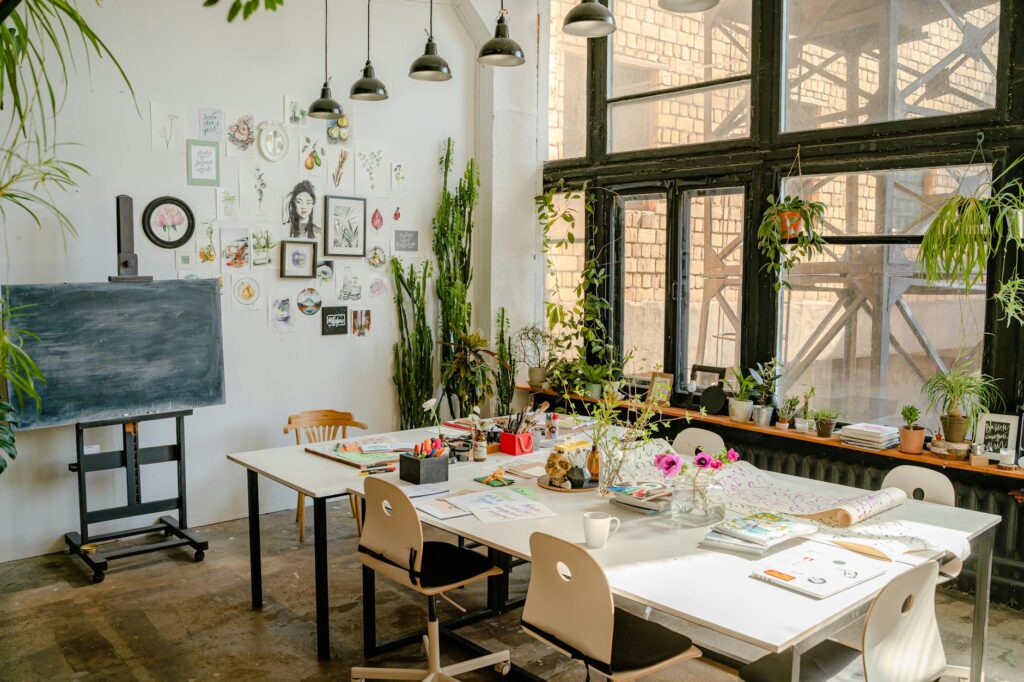
Creating an ideal art studio is more than just finding a spare room; it’s about crafting a space that actively enhances your creative process. As of May 2026, the emphasis on functional, inspiring, and cost-effective workspaces has never been higher. Whether you’re a painter, sculptor, digital artist, or mixed-media creator, understanding the core art studio design requirements is crucial for productivity and well-being.
Last updated: May 1, 2026
- Prioritize abundant natural light and supplement with versatile artificial lighting.
- Ensure adequate ventilation to safely handle materials and maintain air quality.
- Optimize space layout for workflow, incorporating efficient storage solutions.
- Consider ergonomic setup to prevent strain and promote comfort during long sessions.
- Budget-friendly design focuses on multi-functional elements and smart material choices.
1. Lighting: The Foundation of Your Creative Vision
Lighting is arguably the most critical element in any art studio design. Poor lighting can distort colors, cause eye strain, and lead to fatigue. The goal is to replicate natural daylight conditions as closely as possible, even when it’s unavailable.
Natural Light: Large windows, skylights, or even a strategically placed glass door can flood your studio with natural light, offering the most accurate color rendering. However, direct sunlight can be harsh and create glare. Use sheer curtains or blinds to diffuse intense light. According to the UK’s Health and Safety Executive (HSE) (2023), good lighting reduces the risk of accidents and improves visual comfort for tasks involving fine detail.
Artificial Light: You’ll need a layered approach. General ambient lighting should provide overall illumination. Task lighting, such as adjustable desk lamps or track lighting, is essential for focusing on specific work areas. Consider LED bulbs with a high Color Rendering Index (CRI) – ideally 90+ – to ensure colors appear true to life. Adjustable color temperature (warm to cool) can also be beneficial for different tasks or moods.
2. Space and Layout: Flowing with Your Process
The amount of space you have will dictate your layout, but the principles of efficient workflow remain constant. Think about the sequence of your creative process. Where do you start? Where do materials need to be? Where does finish work dry or get stored?
Zoning: Divide your studio into distinct zones: a primary workspace, a material storage area, a cleaning/utility station, and perhaps a small area for breaks or inspiration. This compartmentalization prevents chaos and helps maintain focus. For example, a painter might have a dedicated easel zone, a paint mixing area, and a supply cabinet nearby.
Traffic Flow: Ensure there’s ample room to move around your equipment and materials without obstruction. If you work with large canvases or bulky materials, you’ll need wider pathways. A common mistake is overcrowding; it’s better to have a slightly less furnished but more navigable space. As of 2026, many artists are adopting modular furniture systems that can be reconfigured as needs change.
3. Ventilation: Breathing Easy While You Create
Many art materials, including solvents, spray paints, adhesives, and certain resins, release volatile organic compounds (VOCs) that can be harmful if inhaled. Proper ventilation is a non-negotiable safety requirement.
Natural Ventilation: Opening windows and doors is the simplest form of ventilation. Cross-breezes are most effective. If your studio is in a basement or lacks windows, mechanical ventilation becomes essential.
Mechanical Ventilation: This can range from a powerful exhaust fan to a dedicated HVAC system with air filtration. For spray-intensive work, a spray booth with a built-in fan and filter is highly recommended. The U.S. Environmental Protection Agency (EPA) (2024) emphasizes the importance of reducing exposure to airborne toxins in indoor environments.
4. Ergonomics and Comfort: Sustaining Your Creative Energy
You’ll spend countless hours in your studio. Making it comfortable and ergonomically sound can prevent long-term physical issues and boost your productivity. This is particularly important when considering budget-friendly art studio setup options, as comfort often gets overlooked.
Seating: If you sit to work, choose an adjustable chair that provides good lumbar support. Consider a drafting stool for standing-height tables. Even painters who stand might benefit from a comfortable stool for breaks.
Work Surfaces: Ensure your primary work surface is at an appropriate height for your chosen activity. Whether it’s a large table for printmaking, an easel for painting, or a desk for digital work, it should allow you to work without hunching or straining.
Temperature Control: Maintaining a comfortable temperature (typically between 68-75°F or 20-24°C) is vital. Consider a small space heater or fan, or if possible, integrate climate control into your studio design.
5. Storage Solutions: Taming the Supply Beast
Clutter is the enemy of creativity and efficiency. Effective storage is key to maintaining an organized and functional art studio. This is where smart, often budget-conscious, solutions can make a huge difference.
Categorization: Group similar items together. Paints, brushes, pencils, paper, tools – each needs a designated home. Labeling bins and drawers can save immense time searching for supplies.
Accessibility: Frequently used items should be easily accessible. Less common supplies can be stored in higher or less convenient locations. Think about how often you use something when deciding where to keep it.
Specialized Storage: Some materials require specific storage. Metal cabinets can help contain fumes from certain solvents. Flat file drawers are ideal for storing paper and prints without damage. Consider specialized easels or display racks for works in progress.
6. Flooring: Practicality Meets Durability
Your studio floor will likely endure spills, dropped tools, and heavy traffic. Choosing the right flooring is crucial for durability, ease of cleaning, and safety.
Considerations:
- Durability: Can it withstand wear and tear?
- Ease of Cleaning: Will paint, ink, or solvent spills be manageable?
- Safety: Is it slip-resistant?
- Comfort: Does it offer some cushioning for long hours standing?
Options: Concrete is a popular choice for its durability and ease of cleaning, especially when sealed. Vinyl or linoleum are more affordable, offer some cushioning, and are relatively easy to clean. For painters prone to spills, consider interlocking rubber mats or even a dedicated drop cloth for the main work area. As of 2026, eco-friendly options like bamboo or cork are also gaining traction, offering sustainability and comfort.
7. Soundproofing: Creating Your Sonic Sanctuary
Depending on your location and the type of work you do, sound can be a significant factor. Excessive noise from outside can be distracting, while loud music or machinery in your studio might disturb neighbors.
Absorption vs. Blocking: Sound absorption (using soft materials like heavy curtains, rugs, acoustic panels) helps reduce echo and reverberation within the studio. Sound blocking (using dense materials, sealing gaps) is more complex and expensive but necessary to keep sound from entering or leaving.
Practical Steps: For most home studios, focusing on absorption is more feasible. Thick rugs, upholstered furniture, and hanging tapestries can make a noticeable difference. Sealing gaps around doors and windows with weatherstripping is a simple, effective step for reducing sound transmission.
Real-World Example: The Multi-Disciplinary Digital Artist’s Studio
Consider Anya, a digital artist and illustrator who also experiments with small-scale ceramics. Her 12×15 foot studio needs to accommodate a powerful computer setup, a drawing tablet, a small kiln, and clay supplies.
Design Choices:
- Lighting: Anya uses a large north-facing window for natural light and supplements with a high-cal LED ceiling fixture and an adjustable desk lamp for her computer station.
- Layout: The computer and drawing station occupies one corner, with ample desk space and wall-mounted shelves for peripherals. Her clay and kiln area is in another corner, near a window she can open for ventilation during firing.
- Storage: She uses a combination of IKEA Kallax shelves with drawers for art supplies, a rolling cart for frequently used tools, and wall-mounted spice racks for small jars of pigment and glazes.
- Flooring: She has sealed concrete floors, protected by a large, durable rug under her main workstation and a heavy-duty vinyl mat around the kiln area.
This setup meets Anya’s art studio design requirements by creating distinct functional zones within a limited space, prioritizing safety, and using affordable, accessible storage solutions.
Common Mistakes to Avoid
Ignoring Ventilation: Many artists underestimate the health risks associated with materials like spray adhesives or solvents. Always ensure adequate airflow. If unsure, consult safety guidelines from manufacturers or organizations like the Occupational Safety and Health Administration (OSHA). According to OSHA’s general industry standards (29 CFR 1910.94), adequate ventilation is required for processes involving toxic or flammable vapors.
Poor Lighting Choices: Relying solely on a single overhead fluorescent light is a recipe for eye strain and color distortion. Layering light sources with different intensities and color temperatures is far more effective.
Insufficient Storage Planning: Waiting until you’re drowning in supplies to think about storage is a mistake. Plan your storage needs from the outset to prevent clutter from the start.
Neglecting Ergonomics: A bent-over posture or constant neck strain will impact your health and your ability to create art long-term. Invest in an adjustable chair and ensure your work surfaces are at the right height.
Expert Tips for Your Studio Design
Flexibility is Key: As your artistic practice evolves, your studio needs may change. Opt for modular furniture and adaptable layouts that can be reconfigured. Consider furniture on wheels to easily rearrange your space.
Embrace Imperfection: A working studio is meant to be used. Don’t strive for sterile perfection. A few paint splatters or a well-worn workbench can add character and tell the story of your creative journey. This is a sentiment echoed by many professional artists, such as those featured in publications like Art flow Magazine (as of 2026).
Prioritize Safety First: Always have a fire extinguisher readily accessible, especially if using flammable materials or kilns. Keep an up-to-date first-aid kit stocked. Ensure electrical outlets are adequate for your equipment and not overloaded.
Frequently Asked Questions
What is the most important art studio design requirement?
Lighting is paramount. It directly impacts color accuracy, reduces eye strain, and affects your overall mood and productivity. Aim for abundant natural light supplemented by versatile artificial lighting.
How much space do I need for an art studio?
This varies greatly by discipline. A digital artist might need as little as 50 sq ft, while a sculptor working with large pieces could require 500 sq ft or more. Prioritize adequate movement space and workflow efficiency over sheer size.
What kind of ventilation is needed for an art studio?
Adequate ventilation is crucial for health. This can be as simple as cross-ventilation via open windows or as complex as a dedicated exhaust system, especially when using solvents, sprays, or resins.
Are there budget-friendly ways to design an art studio?
Absolutely. Focus on multi-functional furniture, repurposing household items for storage, prioritizing natural light, and using durable, affordable flooring options like sealed concrete or vinyl.
Should I soundproof my art studio?
Consider soundproofing if you’re in a noisy environment or if your work might disturb neighbors. Basic sound absorption techniques are often sufficient and more budget-friendly than full soundproofing.
What are essential storage solutions for art supplies?
Categorize and label everything. Use vertical space with shelves and pegboards. Keep frequently used items accessible and invest in specialized storage for materials like paper or solvents.
Conclusion: Building Your Creative Haven
Designing your art studio is an investment in your artistic practice. By carefully considering lighting, space, ventilation, ergonomics, storage, and flooring, you can create a functional, inspiring, and safe environment. As of 2026, a well-designed studio isn’t just a workspace; it’s a partner in your creative journey.
Actionable Takeaway: Before purchasing any furniture or making structural changes, sketch out your ideal studio layout, mapping out zones and workflow based on your primary artistic activities.
Source: Britannica
Editorial Note: This article was researched and written by the Onnilaina editorial team. We fact-check our content and update it regularly. For questions or corrections, contact us.