
Transform Your Creative Vision with Art Design Ideas for 2026
As of May 2026, the world of art, and design continues its dynamic evolution, pushing boundaries and redefining aesthetics. Whether you’re a seasoned professional or an emerging artist, staying inspired is key to producing impactful work. This guide delves into a spectrum of art design ideas, offering practical advice and fresh perspectives to ignite your next creative effort.
Last updated: May 1, 2026
- Embrace mixed media and digital-physical blends for unique textures and experiences in 2026.
- Incorporate biophilic design principles, bringing natural elements and organic forms into your art and spaces.
- Experiment with generative art and AI tools to create novel patterns and unexpected visual outcomes.
- Focus on narrative and emotional resonance to connect deeply with your audience.
Exploring New Visual Art Trends in 2026
The visual art landscape in 2026 is characterized by a blend of bold experimentation and nostalgic reflection. Artists are increasingly integrating digital tools with traditional techniques, creating a fascinating dialogue between the past and the future. This fusion results in art that’s both technologically advanced and deeply human.
For instance, digital painting is no longer confined to screens; artists are projecting intricate digital designs onto physical canvases or incorporating them into large-scale installations. This mixed-media approach allows for layered meanings and dynamic presentations. Consider the work of contemporary artist Refik Anadol, who uses data as a medium to create mesmerizing, ever-changing digital sculptures and installations. His approach exemplifies how to combine technology with artistic vision.
Practical Insight: Don’t shy away from unconventional materials or digital tools. Experimenting with how digital outputs interact with physical textures can lead to groundbreaking art design ideas.
Graphic Design Project Ideas: Beyond the Ordinary
Graphic design in 2026 is moving beyond purely functional aesthetics to embrace more expressive and interactive forms. The emphasis is shifting towards creating experiences rather than just static visuals. Think about how typography can become a dynamic element, changing shape or color based on user interaction, or how illustrations can tell a story across multiple digital touchpoints.
A great example is the rise of animated logos and interactive infographics. Websites and apps are becoming more engaging, with design elements that respond to user input, creating a more immersive experience. According to Adobe’s Future of Design report (2025), 70% of designers are exploring motion graphics for branding in 2026. This suggests a growing demand for dynamic visual storytelling.
Practical Insight: Consider the user’s journey. How can your graphic design choices guide, delight, and inform them? Interactive elements and compelling narratives are no longer optional but essential.
Interior Design Art: Creating Immersive Spaces
Art plays a key role in interior design, transforming a house into a home and a commercial space into an experience. As of May 2026, interior design art is leaning heavily into biophilic design and artisanal craftsmanship. Biophilic design, which connects occupants with nature, means incorporating natural forms, textures, and patterns inspired by the environment.
Imagine a living room where a large, abstract painting featuring organic shapes and earthy tones complements furniture made from sustainable wood. Or consider a lobby featuring a custom-sculpted wall installation that mimics natural rock formations. These elements not only enhance visual appeal but also promote well-being. The National Center for Biotechnology Information notes studies showing that exposure to nature-inspired art can reduce stress levels.
Practical Insight: Think about the emotional impact you want your art to have within a space. Does it aim to soothe, energize, or provoke thought? Match the art’s theme and style to the room’s purpose.
Digital Art Concepts for the Modern Creator
Digital art is no longer just about creating images on a screen; it’s about exploring new frontiers in virtual reality, augmented reality, and interactive installations. As of 2026, generative art, created using algorithms and artificial intelligence, is gaining significant traction. These tools can produce complex, unique, and often unpredictable visual outputs.
Artists are using AI tools like Midjourney or Stable Diffusion not just to generate images but as collaborators, refining prompts and guiding the AI to achieve specific aesthetic goals. This human-AI partnership is birthing entirely new visual languages. For example, generative art has been used to create dynamic backdrops for live music performances or to design unique patterns for fashion textiles.
Practical Insight: Embrace AI as a creative partner. Learn to craft effective prompts and understand how these tools can extend your artistic capabilities, opening up possibilities for novel art design ideas.
Abstract Art Ideas: Embracing the Non-Representational
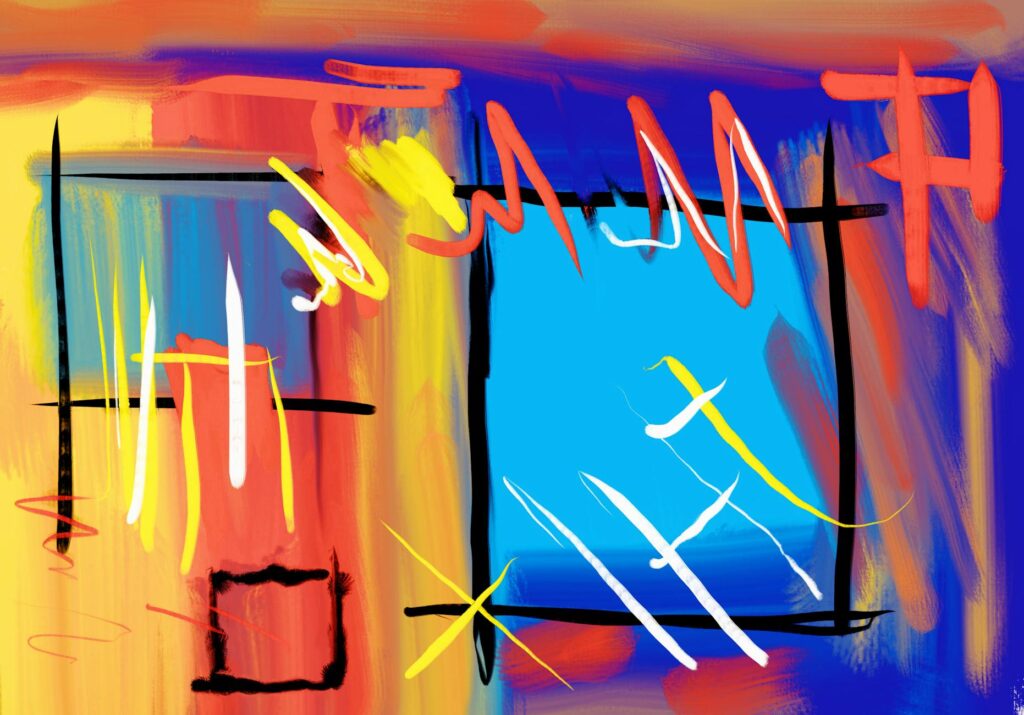
Abstract art offers boundless opportunities for emotional expression and visual exploration. In 2026, abstract art is seeing a resurgence in bold color palettes and textured surfaces. The focus is on the interplay of form, color, line, and texture to evoke feelings and ideas rather than depict reality.
Consider an abstract piece that uses impasto techniques (thick application of paint) to create a tactile surface, paired with vibrant, contrasting colors like electric blue and burnt orange. This combination can convey energy and passion. Another approach involves minimalist abstract art, using simple geometric shapes and a limited color palette to create a sense of calm and order. The key is to experiment with materials and techniques to find a unique voice.
Practical Insight: Don’t be afraid of ‘mistakes.’ Sometimes the most interesting textures and color combinations emerge from unexpected accidents. Let the process guide you.
Contemporary Art Practices: Engagement and Interaction
Contemporary art is increasingly focused on audience engagement and social commentary. Many artists are creating works that encourage viewer participation or address pressing social and environmental issues. This shift towards interactive and socially conscious art is a significant trend in 2026.
Consider public art installations that invite people to interact with them, such as a sculpture that changes form based on the number of people around it, or a mural project where community members contribute to its creation. These projects foster a sense of ownership and connection. The Tate Papers has published extensively on how contemporary art engages with the public sphere, highlighting its role in dialogue and community building.
Practical Insight: Think about the context of your art. How can it interact with its environment or its audience to amplify its message and impact?
User Interface (UI) Design Elements: Artful Functionality
User interface design is where art and functionality meet most directly. In 2026, Fluid animations characterizs uI design, personalized experiences, and a sophisticated use of color and typography to enhance usability and delight users. The goal is to create interfaces that are not only easy to navigate but also visually appealing and memorable.
Think of app interfaces that subtly change color schemes based on the time of day or user preference, or websites that use parallax scrolling to create a sense of depth and immersion. Companies like Apple and Google consistently push the boundaries here, with their design languages evolving to incorporate softer gradients, more expressive icons, and micro-interactions that provide visual feedback. These elements transform functional design into an art form.
Practical Insight: Prioritize clarity and ease of use, but don’t neglect the aesthetic. Small, thoughtful design touches can significantly improve the overall user experience and make your interface feel more polished.
Real-World Examples: Art Design in Action
One compelling example of innovative art design is the installation art by team Lab, a collective of artists and engineers. Their immersive digital art museums, such as those in Tokyo and Shanghai, feature interactive light installations that respond to visitor presence and movement. These spaces blur the lines between art, technology, and the viewer, creating a truly unique experience that resonates deeply with a wide audience.
Another example comes from the world of sustainable design. The furniture company Em eco, for example, has been repurposing plastic waste into durable, aesthetically pleasing chairs since 1944, with recent designs incorporating new recycled materials. Their approach demonstrates how art design can be both beautiful and environmentally responsible. According to their latest reports, they continue to innovate in material sourcing as of 2026.
Common Mistakes to Avoid in Art Design
A common pitfall is prioritizing novelty over clarity. While experimentation is crucial, ensure your design still communicates its intended message effectively. Confusing or overly complex designs can alienate your audience. For instance, an abstract art piece meant to convey peace shouldn’t use chaotic lines and jarring colors without a clear artistic rationale.
Another mistake is neglecting the practical constraints of the medium or platform. A design that looks stunning on a large digital screen might not translate well to a small mobile interface or a printed brochure. Always consider the final output and its intended environment. Always check for brand guidelines if working for a client. This ensures the art design aligns with broader objectives.
Solution: Always create mockups or prototypes for different platforms and contexts. Get feedback from others, especially those unfamiliar with your project, to ensure your message is clear and your design is effective.
Expert Tips for Inspiring Art Design Ideas
Curate Your Inspiration Constantly: Beyond just looking at art, immerse yourself in diverse fields. Visit museums, explore architecture, study nature, read literature, and engage with music. Inspiration often strikes from unexpected intersections. As Dr. Maya Angelou famously advised, people remember how you make them feel; apply this to your art’s emotional impact.
Embrace Constraints: Sometimes, limitations breed creativity. Working with a specific color palette, a limited budget, or a tight deadline can force you to think more innovatively. The challenge of creating compelling branding within constraints is a classic design exercise.
Develop a Visual Journal: Keep a sketchbook or digital journal to jot down ideas, sketch concepts, and collect visual references. This becomes a personal repository of inspiration that you can revisit and build upon over time. According to Interaction Design Foundation, a strong portfolio is built on a consistent practice of ideation and refinement.
Seek Constructive Criticism: Share your work with trusted peers or mentors and be open to feedback. Constructive criticism can highlight blind spots and offer new perspectives that can significantly elevate your art design.
Frequently Asked Questions
What are the latest art design trends for 2026?
As of May 2026, key trends include biophilic design, generative art, mixed media (digital-physical blends), interactive installations, and expressive typography. There’s a strong movement towards art that’s both technologically innovative and deeply connected to nature and human emotion.
How can I find inspiration for art design projects?
Seek inspiration broadly: visit galleries, study nature, engage with different art forms, read widely, and maintain a visual journal. Look for connections between seemingly unrelated ideas and embrace new technologies and mediums for fresh perspectives.
What makes a good art design idea?
A strong art design idea is original, communicates effectively, resonates emotionally, and considers its context and audience. It balances aesthetic appeal with clear intent and often pushes creative boundaries.
How can I use AI in my art design process?
AI can be a powerful collaborator for generating unique visuals, exploring patterns, and creating dynamic content. Experiment with AI art generators, use them to refine concepts, or integrate AI-generated elements into your existing workflows.
What’s the difference between art and design?
While art often focuses on self-expression and aesthetic exploration, design typically aims to solve problems or fulfill specific functional requirements. However, the lines are increasingly blurred, with contemporary art often incorporating design principles and vice versa.
How can I make my art design more impactful?
Focus on a clear narrative or emotional core. Ensure your design is not only visually striking but also meaningful and memorable. Consider how your art interacts with its environment and audience to amplify its message.
Conclusion
The realm of art design is constantly evolving, offering exciting new avenues for creativity. By staying curious, experimenting with new technologies and materials, and focusing on meaningful connection, you can generate compelling art design ideas that stand out in 2026 and beyond.
Actionable Takeaway: Dedicate 30 minutes this week to exploring a new digital art tool or a natural form that fascinates you, and sketch out one potential art design concept based on that exploration.
Related read: Art Studio Design Requirements for 2026: A Practical Guide.
Editorial Note: This article was researched and written by the Onnilaina editorial team. We fact-check our content and update it regularly. For questions or corrections, contact us.